


Shop
Bloodsucker

Burn bandage
Burns are injuries to the skin or body tissue that may be caused by contact with heat, electricity, chemicals, friction, or radiation. Burns can be classified based on the severity and effects of the burn. If the burn only affects the surface of the skin, it is called a superficial burn or first-degree burn. When the underlying layers of the skin are damaged, it is classified as a partial-thickness burn or second-degree burn. Full-thickness burns or third-degree burns are used when all layers of the skin are damaged. Fourth-degree burns also involve damage to deeper tissues such as muscles or bones.
Chest Bottle

Chromic suture thread

Cotter Plate
The electrosurgical cautery plate is disposable. The hydrogel layer used in this product is completely innovative and designed with a new and green formulation. The cautery plate is available in two types: adult and pediatric, and in two models: single-edge and double-edge, which are attached to a part of the patient's body before surgery and the electrical current entering the body during the use of the cautery device is discharged and returned to the device by the cautery plate cable.

Cotter plate connector wire
Plate Cotter Connector Wire
The plate cotter connector wire or plate cotter connector cable is the connector between the device and the plate cotter. This cable has high strength of the cable and its socket and includes a folding clip with the ability to be tightened. The cable length is 3 meters and can be sterilized. Before surgery, install the plate in a part of the body that has good blood supply and is hairless, away from the electrocardiography electrodes.
Connect the connecting cable and check the device. The conductive gel covers more than the edge of the metal foil, which can prevent damage caused by the contact of the metal sheet and the skin. The cotter pad evenly distributes the electric current to make the surgery safer. The plate connector cable is available in two socket models for most single-edge plates and a needle model for most double-edge plate cotters.

Cotton swab

dental etching acid
Acid etchant is available in the form of a solution or gel of phosphoric acid and is usually available in concentrations of 15%, 34% or 37% (37% is the most common concentration available on the market). The acid etchant creates microscopic spaces in the enamel (increasing surface roughness) through which the bonding agent or adhesive flows and aids in the bonding process (micromechanical retention).
dental forceps
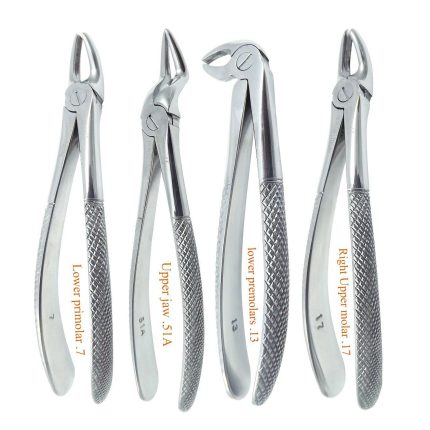
In medicine and dentistry, forceps are a tool used to perform surgical and diagnostic procedures. Forceps are a type of tweezers with two movable parts and are commonly used to hold and examine body parts. In dentistry, dental forceps are a tool used to remove teeth from the mouth. Dental forceps come in a variety of sizes and shapes and are used to remove broken teeth, healthy teeth, and even for dental surgery.

Dental impression materials
In dentistry, impression materials are used to make a complete mold of artificial teeth for the patient. Using impression materials, the internal tissues of the mouth can be easily identified and simulated. In dentistry, impressioning of teeth is used for specific purposes, including orthodontics, dental veneers and crowns, and the manufacture of removable dentures or dental bridges.

Dental injection syringe
