


bandage
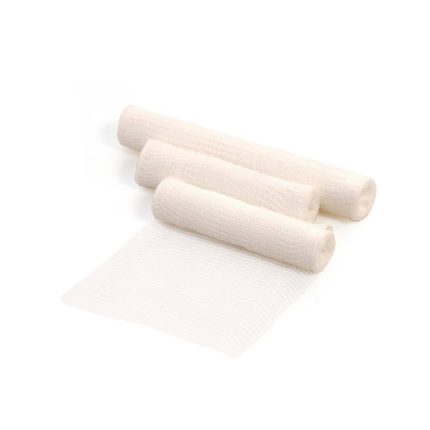
Bandage dressing
Various skin injuries can occur to the skin. Therefore, skin care is of great importance in order to prevent the spread of injury and to heal the skin. For this purpose, a dressing is used to cover the wound and the damaged area of the skin. In other words, if the skin or subcutaneous layers are damaged, the covering that is placed on it to protect the damaged part is called a dressing. The use of dressings is used to facilitate wound healing, prevent bleeding of the skin or wound, prevent the occurrence and spread of infection, and protect the wound from physical damage and further damage.

Burn bandage
Burns are injuries to the skin or body tissue that may be caused by contact with heat, electricity, chemicals, friction, or radiation. Burns can be classified based on the severity and effects of the burn. If the burn only affects the surface of the skin, it is called a superficial burn or first-degree burn. When the underlying layers of the skin are damaged, it is classified as a partial-thickness burn or second-degree burn. Full-thickness burns or third-degree burns are used when all layers of the skin are damaged. Fourth-degree burns also involve damage to deeper tissues such as muscles or bones.

Fiberglass orthopedic bandage (cast)
Fiberglass plaster is made of glass fibers and resin and is of a composite nature. Fiberglass, which is a type of plastic, is lightweight, highly resistant, hypoallergenic, moisture resistant, and easily malleable. Therefore, a doctor or specialist can easily shape it into the shape of a plastered limb.

Wibril (undercast bandage)
When a person has a fractured limb, the fractured limb must be cast according to the diagnosis of a specialist. A special fracture bandage is used to cast the fracture site, but a bandage is used under the cast so that the plaster does not come into direct contact with the patient's skin and so that the plaster does not stick to the patient's hair and does not bother him. The plaster bandage is produced using modern and fully automatic machines and is supplied in completely hygienic packaging, which keeps the bandage soft and prevents it from being contaminated.
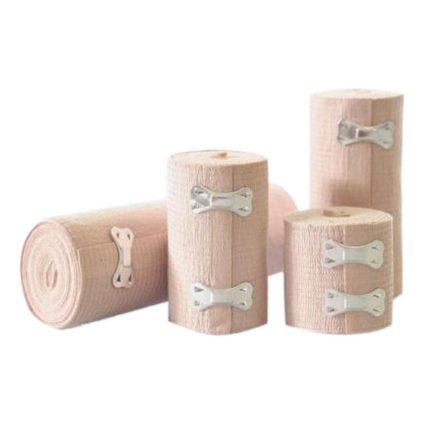
باند کشی
باند کشی
امروزه با توجه به پیشرفت هایی که در علم و تکنولوژی رخ داده انواع مختلفی از باندهای پزشکی به دنیا معرفی شده که آشنایی با آنها و البته کاربردها و نحوه استفادهشان کمک میکند تا انتخاب های درست تر و آگاهانه تری را در حین خرید انجام دهیم. به نوعی شاهد این مسئله هستیم که باندهای زخم بندی در طیف وسیعی از انواع مختلف، از نوار پارچه تا باندهای تخصصیِ طراحی شده برای یک عضو خاص یا قسمتی از بدن تولید می گردد، اگرچه باند زخم بندی اغلب در بعضی جراحات به عنوان یک محافظ و در مواردی به صورت یک روکش به کار می رود و هیچ گاه شاهد این مسئله نبودهایم که از آن به طور مستقیم بر روی زخم استفاده شود
