







Bandages
The type of dressing and treatment chosen will vary depending on the severity and condition of the wound. Dirty or clean wounds, infected or non-infected wounds, dirty wounds with dirt and debris, and wounds with bloody discharge are treated in different ways and are dressed in different ways. All wounds and injuries to the skin must be disinfected with disinfectants before dressing. Depending on the type and extent of the wound, different tools are used for dressing. Dressing tools and supplies include: forceps, scissors, gauze, cotton, disinfectant solutions, saline, adhesive, and bandages, which are selected based on the type of injury.
Wound dressing generally follows a series of principles and rules. Before starting the dressing, hands should be washed with warm water and soap and allowed to dry without using a towel or other drying equipment. It is important to note that if disinfectant materials and solutions are available, it is better to disinfect the hands. The desired area is washed with gauze and physiological serum to clean the device or dirt and debris on the wound. The wound is cleaned from the inside to the outside using gauze soaked in disinfectants such as betadine. Note that the gauze used should only be used for a part of the wound and should be discarded after each use of the gauze to clean the wound. After cleaning the wound and its surroundings, the wound is completely covered with a piece of sterile gauze and then fixed on the wound using an appropriate bandage and adhesive dressing. You should be careful that using cotton to cover the wound is not suitable because the cotton lint sticks to the wound surface and separating and pulling out these lint after drying is extremely painful and may damage the healing tissues.
The dressing placed on the wound must be sterile and free of any microorganism particles to prevent infection, while not itself causing infection and contamination. The gauze used to cover the wound surface has many holes and pores to prevent the possible growth of anaerobic microorganisms while allowing oxygen to pass through. The pores on the gauze allow evaporation from under the skin to prevent the creation of a humid environment and the dressing from getting wet, which is an important factor in the growth of microbes.
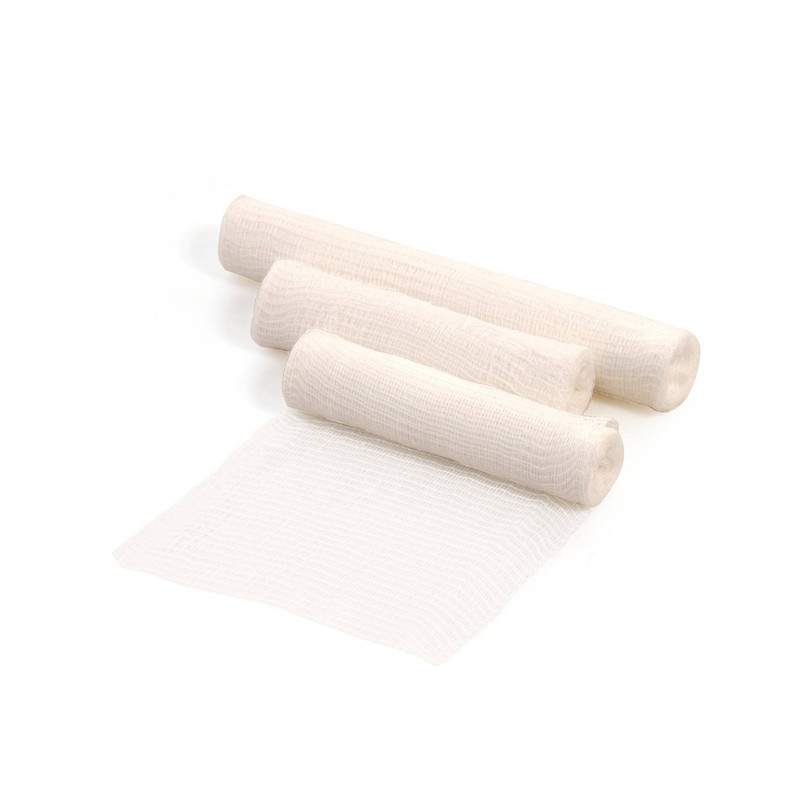
Bandages are among the most important and important devices in medical tools and supplies. Bandages are used for dressings or splints and to maintain a part of the body in the desired position. One of the most widely used bandages in the world of medicine and treatment is the tissue bandage. This bandage is made of high-quality cotton and polyester yarn. Two types of tissue bandage can be introduced: simple tissue bandage and burn tissue bandage. Burn tissue bandage is used for dressing the skin of burn patients and prevents wound secretions from being identified due to its dark color. Simple tissue bandage is also used for other dressings.
Simple tissue bandage is made of 65% cotton and 35% polyamide. The polyamide used in this bandage prevents unpleasant odors and sensitivity. Since this bandage is placed on the wound, it is essential that it is sterile and free of any microorganism particles. The tissue bandage should be lint-free to prevent it from sticking to the wound. The presence of any physical contamination on the bandage is not acceptable, and for the sake of coherence and having a neat and clean dressing, there should be no loose threads. Simple tissue-side bandages are used to create secondary dressings and cover wounds and injuries. Most of these bandages have common characteristics and features such as: being washable, resistant to the penetration of fat, oil and other oily substances such as ointments. Tissue-side bandages can be sterilized and disinfected using appropriate materials.
Like medical gauzes, tissue-side bandages also have pores and holes for the circulation of air and gases such as oxygen, carbon dioxide and water vapor. This air exchange helps to accelerate the wound healing process and prevent the development and spread of infection. Using the pores of the bandages, the secretions created evaporate and, in addition, it prevents the wound from cooling.
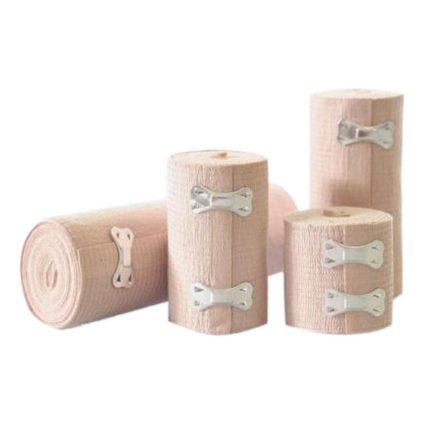
When using the bandage, care should be taken to ensure that the bandage is properly closed and prevents bleeding. The amount of pressure applied to the wound should be balanced and the dressing should not be too tight or too loose. Because a loose bandage can cause the dressing to unravel and unravel. If the dressing is too tight, blood flow in the tissue and organ in question will be impaired and may cause side effects such as blood clots in the organ. To this end, you can ensure the appropriate tightness of the bandage by pressing the nail on the organ in question and checking the time it takes for blood flow to return to the nail or by feeling the pulse. You should note that the bandage should be changed daily to best comply with hygiene tips.
Sterile tissue-side bandages are available in widths of 5, 7.5, 10, 15 and 20 cm and a length of 270 cm. These products are available in single packages and in special multi-pack boxes. Kaveh 5 cm tissue-based bandage is one of the highest quality and most widely used bandages, which you can purchase at the most affordable price, in the shortest possible time, and of the best quality from the Medilux online medical equipment and supplies store.




Reviews
There are no reviews yet.