




What is a burn bandage?
The treatment required is selected based on the extent and severity of the burn. In many cases, superficial burns can be treated with painkillers. However, deeper and more severe burns are treated with continuous treatment in specialized burn centers. Some simple measures, such as keeping the burn site under running water, are useful in relieving pain and preventing further damage. Of course, you should note that you should not leave the burned tissue under water for a long time, as this will cause frostbite. In the case of a relatively thick burn, the tissue should be washed with soap and water and then the burn site should be bandaged using the necessary tools and equipment. As a result of the burn and damage to the tissue, blisters or pox appear on the surface of the skin. There is no specific and definitive method for treating pox, but various sources have recommended that it is better not to touch the blisters and pox that have formed. In most severe burns, such as third-degree burns, surgical treatments such as skin grafts are required due to severe damage to the skin and the loss of large amounts of body covering. In most burns, where large and extensive parts of the body are burned, intravenous injections are required in several stages. It should be noted that one of the most common problems surrounding skin problems, including burns, is the occurrence of infection due to the loss of the body’s defenses and damage to skin cells and tissues.
Statistics show that on average, nearly three hundred thousand people die from burns annually. New treatment methods have been invented since 1960 that can save people’s lives. It should be noted that the burn site should be cooled with water at 10 to 25 degrees Celsius within the first 30 minutes of the burn. Of course, ice should not be used in the process of cooling the burned tissue because it causes further damage to the organ. In order to care for the wound, the damaged area should be washed with soap and water and dead tissue should be separated from the skin. Burns will be accompanied by pain, which varies depending on the severity of the burn. In order to manage the pain, various medications such as ibuprofen, acetaminophen, benzodiazepine, antihistamine, gabapentin and calcium gluconate should be used.
Burn Bandage
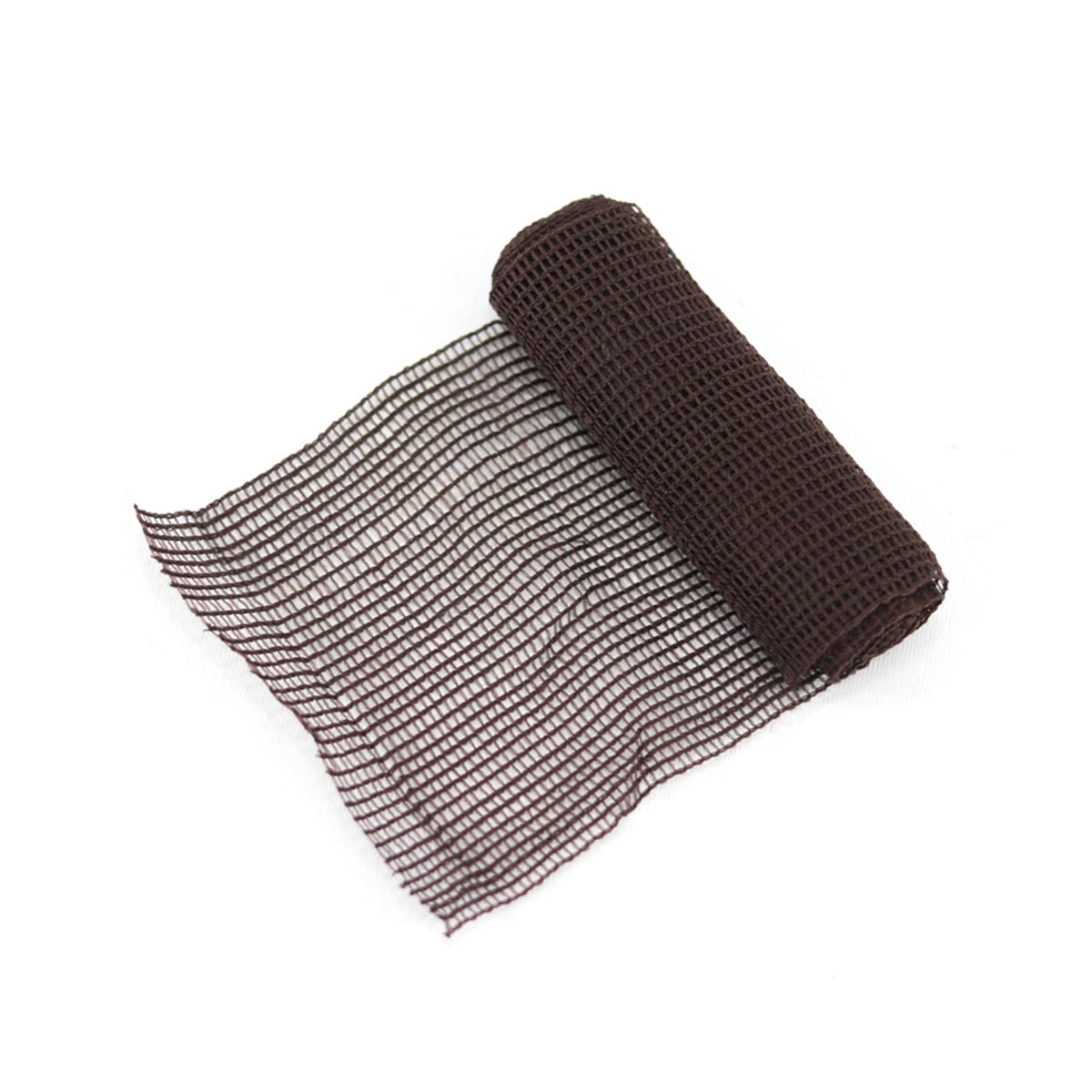
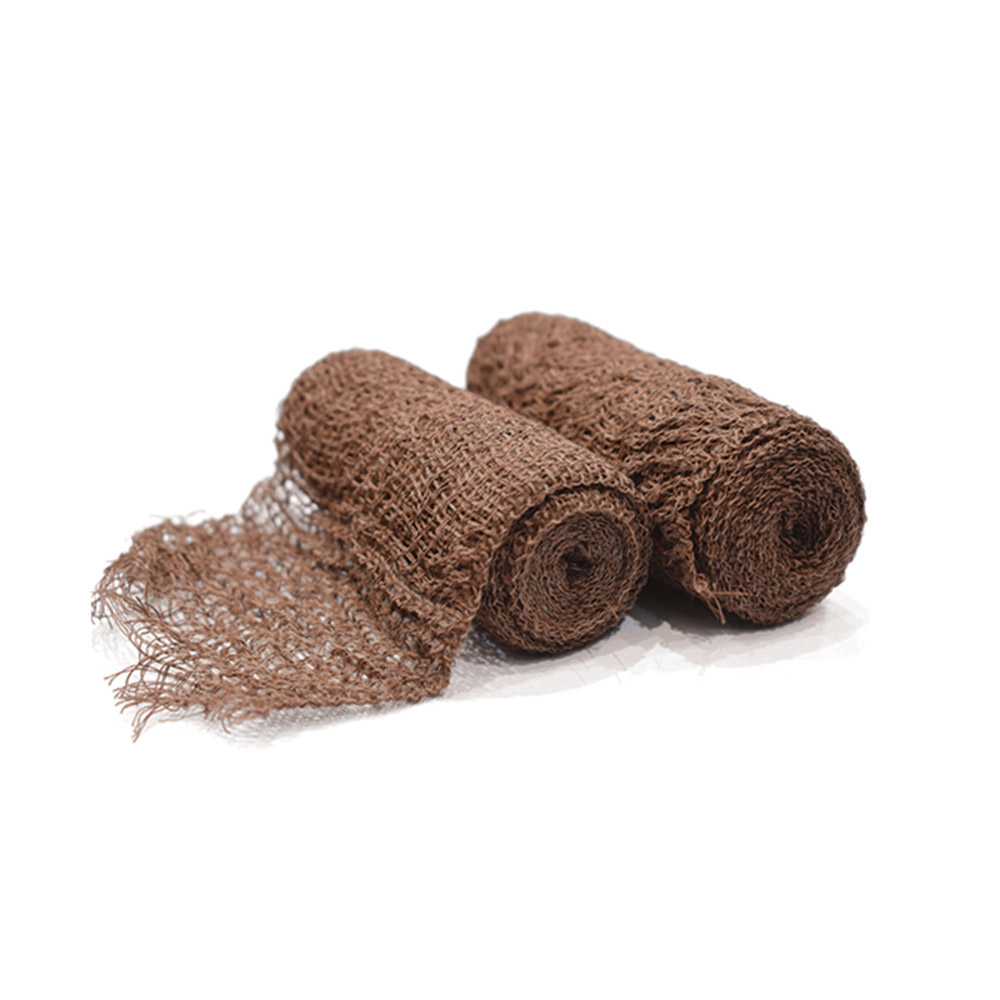
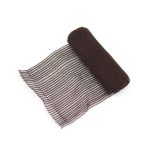
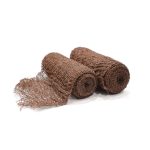
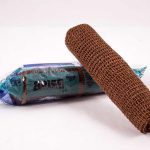
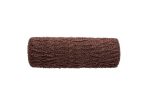
Given that doctors and experts recommend that first-degree burns not be bandaged, the burn site should be bandaged in the treatment of other levels of burns. Dressing the burned tissue is done to reduce pain, prevent leakage of secretions, reduce infection and reduce the transmission of secretions and infection to other parts of the body. One of the tools and supplies used for burn dressing is the burn bandage. Burn bandages are often dark and brown in color and are used on brown to make wound secretions invisible. Brown burn bandages are available in two types: flexible and crepe bandages. Flexible bandages are suitable for dressing and wrapping various parts of the body without hindering the movement of the parts.
A simple or flexible burn bandage is woven from all-cotton fibers and 20 or 30-gauge yarn. This bandage is used to protect the dressing of damaged skin wounds and is available in different widths and lengths. The cotton used in a simple brown burn bandage absorbs most of the secretions and moisture and does not change color after contact with the skin of the burn or wound. This durable fabric does not exhibit an unpleasant odor. If elastic is also used in its production, it will also have 30 percent stretchability, flexibility, and shaping ability.
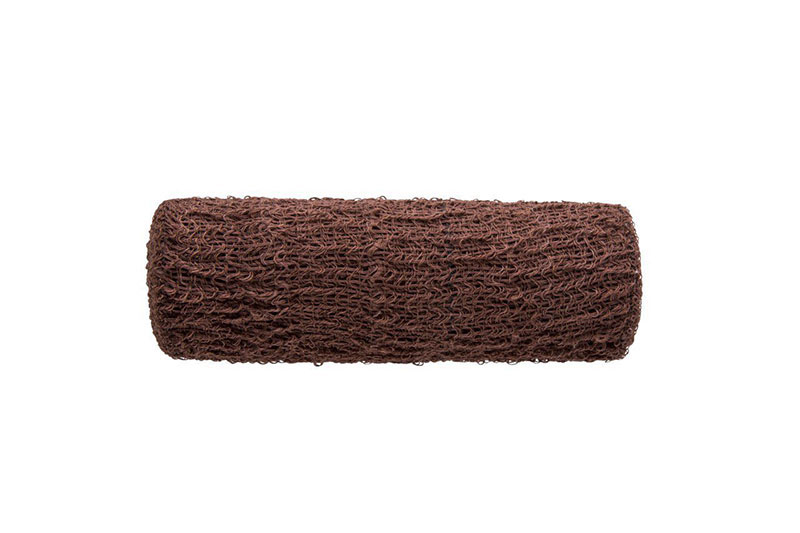
Crepe burn bandages are usually made of cotton and polyamide. The cotton used in crepe burn bandages is 96% and polyamide is close to 4%. The combination of cotton and polyamide creates a burn bandage that has approximately 80% stretch and is the most suitable option for dressing various damaged parts and organs of the body. Using the stretchability, the desired organ moves easily and other complications are prevented. The high percentage of cotton used in this type of burn bandage helps absorb more secretions and can hold up to several times its own weight in secretions.
Burn bandages in terms of size
Both types of burn bandages have pores and pores that allow the skin to breathe, thus preventing the spread of infection and helping it heal. Burn bandages are often produced in widths of 5, 7, 10, 15 and 20 cm, but due to their elasticity, bandages up to 270 cm wide can be created.
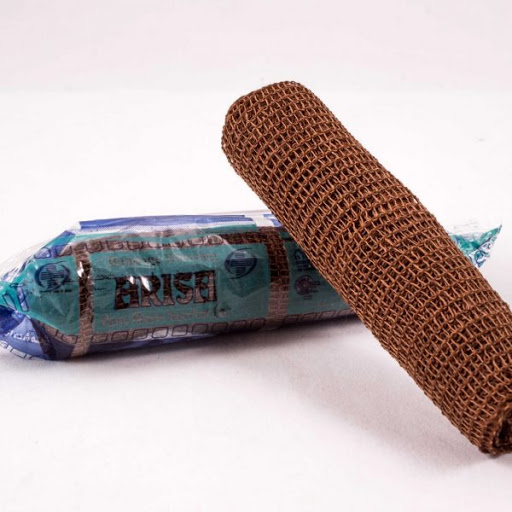
Medilux is proud to provide healthcare centers with the best quality and most affordable brown burn bandages. The brown burn bandages in this collection are 10 cm wide and come in two types: plain and crepe 10 cm burn bandages. This product is hypoallergenic and comes in a carton with a stable color. These bandages are produced in completely sterile conditions and are delivered to consumers in hygienic packaging.




Reviews
There are no reviews yet.