


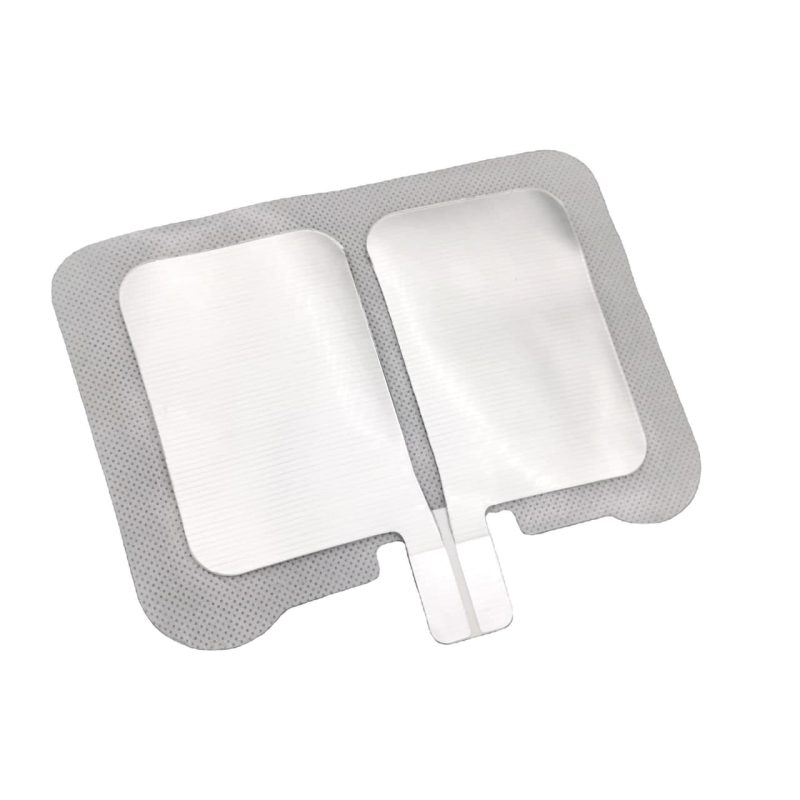



Adult and Pediatric Single-edge and Double-edge Cotter Plate
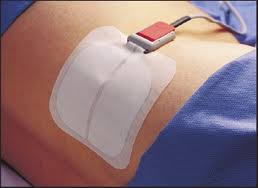
The cotter plate, in two types: adult and pediatric, and two single-edge and double-edge models, is a base pad that is installed before surgery in a part of the body that has good blood supply and is hairless, away from the electrocardiography electrodes. This part of the patient’s body, usually the thigh, is chosen to protect the patient’s body from the harmful effects of electric current.
The cotter plate is used to drain the electrical current entering the body when using the cotter device and return it to the device. The connection between the device and the cotter plate is a long wire three meters long, which is called the cotter plate connection cable.
Cotter plate specifications
Disposable cotter plates are made of a plastic base material that is covered with a metal film that acts as the actual electrode surface. The metal surface coating is a layer of adhesive gel that can be easily attached to the patient’s skin. Disposable ground pads, also known as disposable pads or adhesive pads, should be large enough to keep the current density low to prevent heat build-up under the pad resulting in burns.
One of the biggest advantages of disposable ground pads is that they come in a variety of sizes, which can ensure their suitability for the patient and are more cost-effective than reusable pads. Disposable pads also allow for sterilization during the procedure and quick and efficient cleanup afterward.
Applications of Cotter Plates
In medicine, a cotter device is sometimes used to cut a body part or organ. The cotter device transmits an electrical current to the organ of interest through a special pen called a cotter pen. The resulting electrical current causes the part of interest to be cut. The resulting electrical current is removed from the body with the help of a cotter plate. This plate is placed on a part of the body that has adequate blood supply and is hairless, such as the front of the left and right thighs, the left and right buttocks, or the left and right arms of the patient, and isolates the electrical current from the body.
Functions of Monopolar and Bipolar Electrosurgery
In monopolar electrosurgery, the active electrode is placed at the surgical site. The patient return electrode, known as the scatter pad, is placed elsewhere on the patient’s body. The current flows through the patient, completing the circuit from the active electrode to the patient return electrode. Function of the Patient Return Electrode. If the heat generated over time is not safely dissipated by the size or conductivity of the patient return electrode, a return electrode burn will occur. Modern electrosurgical machines have built-in safety features to prevent burns from poor contact between the patient and the return electrode when using the monopolar mode.
In bipolar electrosurgery, both the active electrode and return electrode functions are performed at the surgical site. The two forceps tips perform the function of the active and return electrodes. Only the tissue grasped by the forceps is included in the electrical circuit. Since the return function is performed by one forceps tip, there is no need for a patient return electrode. Bipolar electrosurgery operates regardless of the environment in which it is used and allows coagulation in a fluid environment. A great advantage when attempting to achieve coagulation in a wet field. As a result, bipolar electrosurgery is often referred to as wet field cautery.
How to use the cotter plate
- The type and dimensions of the cotter plate or electrosurgical plate should be selected according to the patient’s weight and the table on the product packaging.
- After opening the package and removing the protective layer, pay attention to the uniformity of the gel.
- Improper storage and transportation may damage the uniformity of the gel surface, in which case do not use the plate.
- The installation site of the cotter plate must be free of hair and grease.
- Do not turn on the electrosurgery device before installing the plate.
- Choose large, smooth muscle tissue to install the cotter plate.
- Avoid installing in areas of bone, fat, damaged, scarred, or metal implants.
- If possible, install the plate completely and evenly in the closest possible location to the surgical site.
- Ensure that the plate is in complete and uniform contact with the skin during surgery and is not soaked with any liquid.
- In patients with pacemakers, consult a doctor before using the electrosurgery device.
- In patients weighing 5 to 15 kg, install the cotter plate on the patient’s thigh.
- If the cotter plate is not installed, make sure that it is intact, the connection cable, and the connection are correct.
Important steps in using the cotter plate
If the electrical current does not exit the patient’s body, it may lead to burns and other skin injuries. Burns at the return electrode (i.e., the grounding pad) are among the possible effects of electrosurgery. Despite this awareness, ignorance or negligence regarding the proper handling of ground pads still occurs frequently. Burn injuries can be easily prevented by taking the necessary precautions. Therefore, care should be taken during plastic and general surgery.
Things to know about the cotter plate
We must be very careful in choosing the right size and quality cotter plate, and we must purchase a quality brand from reputable medical equipment companies and stores, because the cotter plate is not visible during the operation because it is placed under the surgical shoulders. If a problem occurs, this problem will not be visible until the end of the surgery and may cause burns.
When using the plate, make sure that its surface is smooth and there are no dents in it. Make sure that the gel next to the product is fresh and not damaged. The plates are available in two types: single-edged and double-edged. Double-edged plates are more useful than single-edged, because even if one of the edges (plates) of the device fails, the other edge continues to work and returns the current to the cotter device, preventing skin damage and burns.
Observe safety precautions
- Do not make any changes to the dimensions of the plate.
- Ensure the quality of the plate connection cables.
- Do not reuse disposable connection cables.
- If possible, use reputable brands such as Pharmed and Fujan.
Plate Coater Features
- No sensitivity caused by the gel or the plate itself
- Made of environmentally friendly materials
- Conductive with electrical protection
- Highly adhesive and soft
- Compatible with any brand device
- Designed with a new and green formulation
- Available in adult, pediatric, single and double edge sizes




Reviews
There are no reviews yet.