






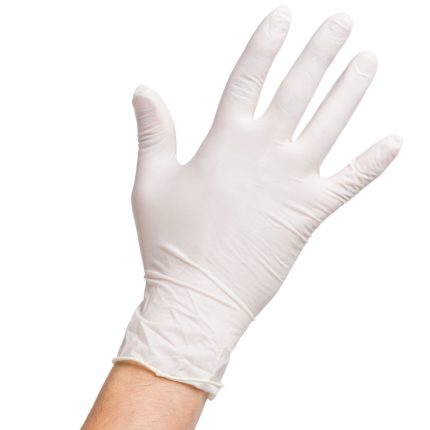

What are surgical gloves?
Surgical gloves are considered an essential medical tool that is an integral part of your surgical team’s equipment. As a general rule, they should be worn whenever doctors come into contact with pathogens and other environmental contaminants.
Since these types of gloves are used to protect people’s health, they must meet certain standards and quality standards. Sterile surgical gloves are of higher quality than non-sterile gloves.
In addition, these gloves are specifically designed with high tensile strength and provide the surgical team with the necessary sensitivity and precision in addition to tactile sensation.
A look at the history of surgical gloves
Although surgical gloves first became available to doctors in the early 1840s, many surgeons avoided using them. Their reasons for this were that they were inflexible, uncomfortable, and impractical.
At that time, surgeons had yet to learn about bacteriological contamination. Until 1878, the use of these gloves was shrouded in mystery. Then, an obstetrician and gynecologist named Gillard Thomas ordered his surgical team to wear surgical gloves during surgery.
In this way, these people were protected from the effects of chemicals used to sterilize surgical instruments. Doctors later found that the risk of infection was significantly reduced in surgeries where surgeons used gloves.
Finally, the announcement of the necessity of using surgical gloves in all operations took place after World War I!
What do you know about the ingredients of surgical gloves?
1. Latex
Latex has been used in the production of disposable gloves for years. Latex has good comfort and flexibility, which is why this material is used to produce all kinds of gloves.
It is interesting to know that latex is an acceptable defense barrier against pathogens and contaminants. This material is made from natural rubber fibers and is also biodegradable from an environmental perspective.
However, latex gloves are not the best option for surgeons, as people with allergies react to such materials.
2. Nitrile
Some surgical teams have switched to using gloves made from nitrile, a type of synthetic rubber fiber, which is a latex-free option. Such gloves are stronger than vinyl and latex gloves.
Another unique feature of nitrile gloves is that they do not cause allergies in susceptible individuals. Other features of these gloves are as follows:
Ideal barrier against chemicals
High durability
Available in a variety of colors
Such gloves are available in blue and black. But why is it important to have colors for these types of gloves?
Generally, colored gloves are more resistant and durable, so they are more likely to tear or puncture more slowly than other gloves. The only drawback of nitrile gloves is their reactivity with acetone.
3. Vinyl
Although there are various types of vinyl gloves on the market and they are widely used; it is better to use such gloves only for examination. Vinyl gloves are ideal for people who are allergic to latex.
In general, vinyl gloves have the least resistance to chemicals among the types of surgical gloves. These types of gloves are less flexible compared to latex gloves, which is why many surgeons believe that by choosing vinyl gloves, we will sacrifice comfort and high performance for the low price of such gloves.
That is why the use of vinyl gloves in various surgeries is very limited.
What is the level of protection of surgical gloves?
It is important to consider the standard level of protection when choosing types of surgical gloves. To choose a standard surgical glove, you should consider the following factors:
Glove thickness
Its puncture resistance
Tensile resistance
So, consider the type of glove you want by considering your needs and the type of surgery you are going to have.
Final words
Finally, based on what has been said, surgical gloves are a necessity for any type of surgery. Although many surgeons initially refused to use such gloves, their use has expanded over time as their benefits and amazing effect on preventing any infection have been proven.
There are different types of surgical gloves, including latex, nitrile, and vinyl gloves, each of which has unique characteristics. So you have the opportunity to choose the best option according to your needs.





Reviews
There are no reviews yet.