


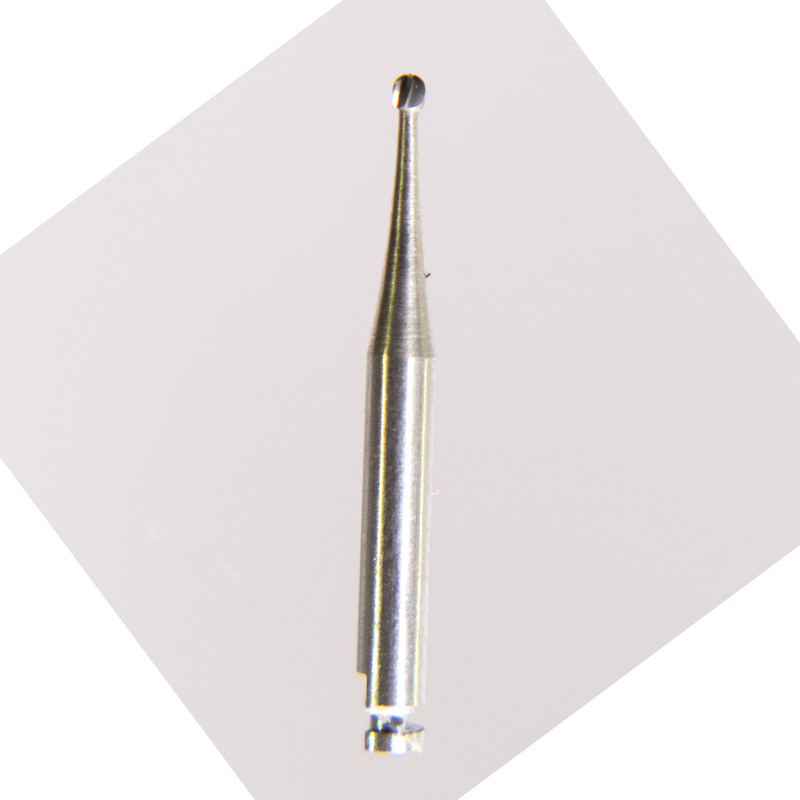

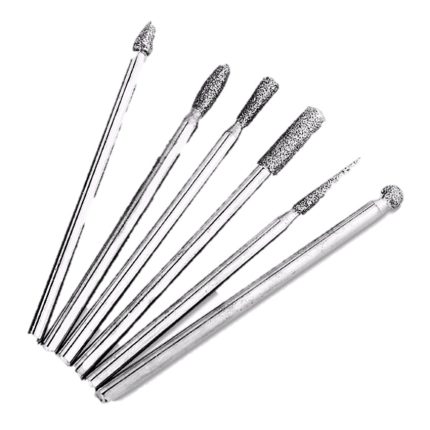
What is an angle bur?
As mentioned, an angle bur is a rotary dental instrument for preparing, shaping, and restoring teeth, which is designed to perform its function with high speed and great precision and is easy for the dentist to work with. The angle bur with a long neck also makes it easy to access hard-to-reach places in the mouth, and the dentist can cut and grind the tooth accurately without damaging the surrounding tissues. The angle bur is designed to reduce hand fatigue and has a long ergonomic handle, which also guarantees a comfortable grip. The angle bur accepts a wide range of abrasive discs and wheels and, with its appropriate attachments, allows for activities such as grinding, shaping, and polishing a wide range of dental materials such as ceramics and metals.
The high performance of the angle bur helps dentists perform contouring, whitening, and removing orthodontic brackets, etc., with greater accuracy and speed. It is important to know that when working with an angle bur, special techniques must be used, for example, the tool must be held gently and used with minimal pressure and at the right angle to prevent unwanted destruction of tooth tissue. In general, some of the features of an angle bur include:
- Sharp and cutting blades for grinding a variety of dental materials such as dentin, enamel and composite
- Access to hard areas, such as the posterior and distal surfaces of the tooth
- Ability to create a smooth and vibration-free cut for the comfort of the patient and the dentist
- Long life due to resistance to wear
- High versatility with a wide range of dimensions, sizes and grades to meet the needs of dentists
- Affordable price compared to other similar brands
Types of angle burs
Angle burs are produced and offered in different types, each of which is designed to perform specific tasks. One type of angle bur is the long type, which is also called an angled hand bur. This type of angle bur is used to access difficult-to-reach areas of the mouth and is often used in root canal, restorative, and prosthetic procedures.




Reviews
There are no reviews yet.