


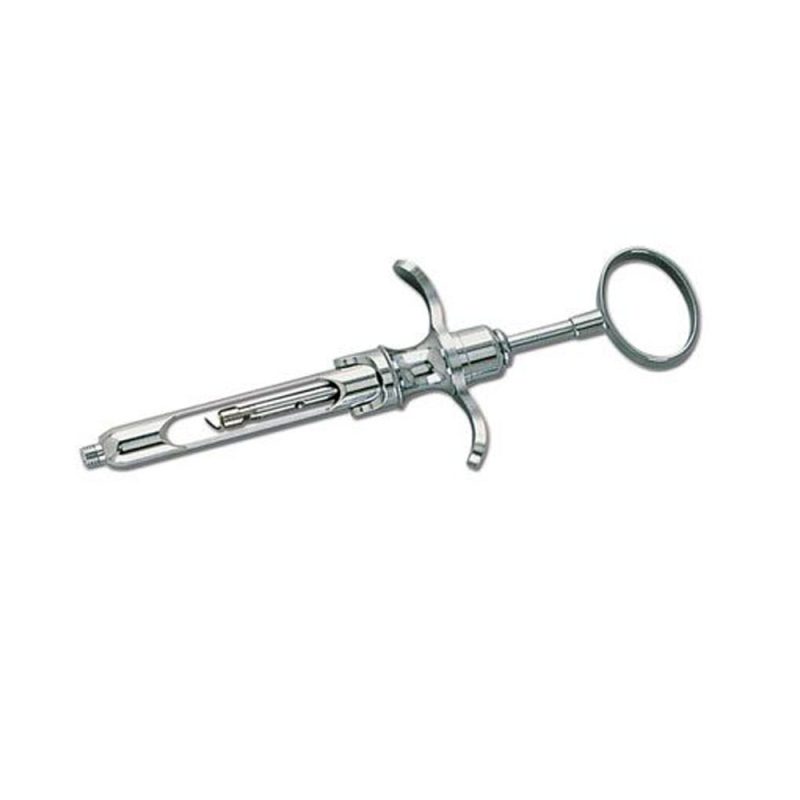
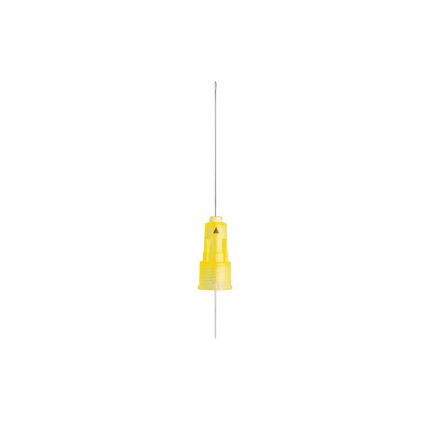
- Getting to know the dental syringe and how to arm and prepare it for injection
In most dental treatments, the first step is pain control. This is usually done in dental offices by injecting an anesthetic and creating local anesthesia. However, in some cases, auxiliary methods are also needed to control pain and anxiety. Including the use of anti-anxiety drugs, the use of N2O/O2 gas, the use of intravenous sedatives, etc. General anesthesia (anesthesia) is used in special cases and under the supervision of an anesthesiologist, in equipped and advanced centers.
- When is local anesthesia needed?
Dental treatments such as fluoride therapy and fissure sealants (which are mostly done for children), scaling, impression taking, crown fitting, etc. do not usually require anesthesia injection. However, restorative treatments, root canal treatment, milling for crowns, and especially tooth extractions require anesthesia injection. For some restorations, depending on the depth of the cut, the dentist will decide whether to perform an injection.
- Dental Injection Syringe
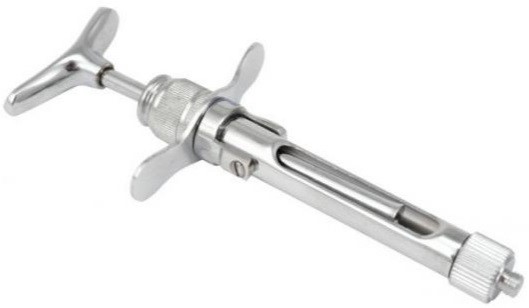
These syringes come in two types based on how they open: fixed syringes and back-loading syringes.
To open fixed syringes, simply pull out the handle and insert the vial into the syringe from the side. (Side Loading)
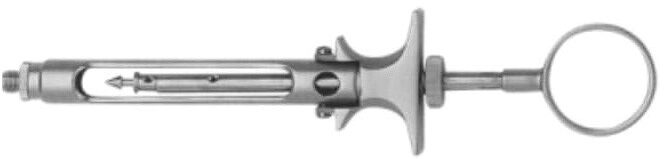
But to open the back-breaking syringes, you have to bend the tube or body of the syringe while pulling the handle outward. This will open the tube and insert the vial into the syringe from the end. (End Loading)



Reviews
There are no reviews yet.