


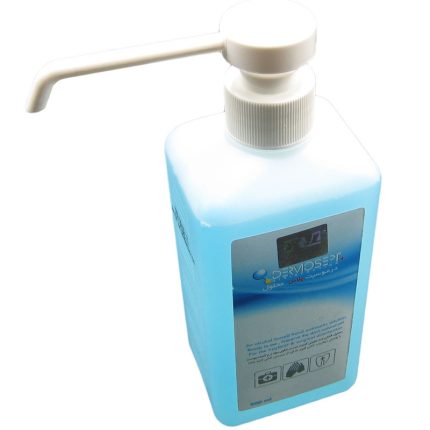

Disinfectant Solutions for Medical and Dental Instruments
Disinfection of instruments is usually carried out by immersion under water, although this is also done with the help of special devices. A popular method for cleaning and disinfecting instruments is to place said instruments in a so-called ultrasonic cleaner.
Disinfection with instruments requires the use of special disinfectants that are not only powerful, but also friendly to the materials and act quickly.
General Function of Surgical Instrument Solutions
Instrument disinfectant solutions are used to reduce or eliminate germs, bacteria and viruses from medical and dental surfaces and instruments. It is important to follow the manufacturer’s instructions when selecting and using disinfectant solutions to ensure their effectiveness and safety. The performance of these solutions varies depending on the type of active ingredient they contain, but generally includes the following steps:
Microbial reduction: Disinfectant solutions destroy or inactivate microorganisms by penetrating their cell membranes.
Antibacterial: Many of these solutions contain antibacterial agents that kill bacteria and prevent their growth.
Antiviral: Some solutions are specifically designed to inactivate viruses, thus reducing the risk of transmitting viral diseases.
Fungal elimination: Some solutions can also kill fungi and other microorganisms in the mouth and skin.
Stability and effectiveness: The most effective solutions usually contain agents that increase the contact time of the disinfectant with surfaces, such as adhesion.
Safety: Some solutions contain chemicals that may be harmful to humans or the environment, so they should be used with caution.
Types of Surgical Instruments and Supplies
Specialized surgical kits contain the most common instruments needed for specific surgeries. Scissors are an example of cutting instruments. Dissecting instruments are used to cut or separate tissue. Dissectors may be sharp or blunt. Scalpels are an example of sharp-edged instruments. Examples of blunt detectors include the back of a knife handle. Curettes and elevators can also be blunt.
Grasping and holding instruments include clamps, tongs, and forceps. Probing instruments are used to enter natural orifices, such as the common bile duct or openings such as fistulas. Dilator instruments act to expand the size of openings, such as the urethra or cervix. Retractors aid in visualization of the surgical field while preventing injury to other tissues. Suction devices remove blood and other fluids from the surgical or dental area.
Duties of Medical Personnel in Disinfecting Instruments
After the surgical procedure is completed, the personnel responsible for cleaning and disinfecting the instruments should also inspect them. After cleaning and when packing, the instruments should be re-inspected. Any instruments that are not functioning properly should be sent for repair. Depending on the type of use, with proper care, surgical instruments can last up to ten years. Training in the use and care of surgical instruments may range from medical training required by physicians to on-the-job training for orderlies and assistants.
Postoperative Patient Status
Observing patients after surgical procedures provides the best indication for following proper instrument disinfection and aseptic technique during surgery. Postoperative patients should not exhibit any of the following:
- Presence of instruments or sponges in the countable number
- No infection at the incision or surgical site
- Excessive swelling or discoloration at the surgical site
What is endoscopy?
Endoscopy is for diagnostic and therapeutic purposes of the gastrointestinal tract. However, concerns about nosocomial infections associated with endoscopes are increasing, along with the public’s interest in safe and efficient endoscopy. For this reason, reprocessing of gastrointestinal endoscopes is an important step for the effective performance of endoscopy. Disinfectants are essential for processing and reuse of endoscopes.
Gastrointestinal endoscopy is the diagnosis and treatment of diseases of the gastrointestinal tract. As reusable devices, gastrointestinal endoscopes are inevitably exposed to pathogens that may infect subsequent patients, especially those who are immunosuppressed due to advancing age or co-morbidities. If the manufacturer’s instructions are followed, gastrointestinal endoscopes can be further reprocessed.
Effect of Behsadex and Sporicidine on Endoscopy Equipment
Behsadex and Sporicidine solution is commonly used as a high-level disinfectant for medical equipment such as endoscopes, spirometry tubing, dialyzers, transducers, anesthesia and respiratory therapy equipment, dialysis delivery systems, and disposable plastic laparoscopic trocars. Glutaraldehyde is noncorrosive to metal and does not damage rubber lens structures. Aldehyde should not be used for cleaning non-critical surfaces because it is highly toxic and expensive.
Colitis caused by exposure to glutaraldehyde from residual disinfectant solution in the solution channels of endoscopes has been reported and is preventable by careful rinsing of the endoscope. One study found that residual glutaraldehyde levels were higher and more variable after manual disinfection (<0.2 mg/L to 159.5 mg/L) than after automated disinfection (2.3 to 3.6 mg/L). Similarly, keratopathy and corneal offset have been caused by ophthalmic devices that were not adequately rinsed after soaking in the product.
2% Cydex Solution
Newer formulations of the solution (e.g., glutaraldehyde, phenol, sodium phenate, acid-fortified glutaraldehyde, stabilized alkaline glutaraldehyde) developed in the past 30 years have overcome the problem of rapid loss of activity (shelf life of 28-30 days) along with excellent germicidal activity. However, antimicrobial activity depends not only on age but also on conditions of use, such as dilution and organic stress.
Manufacturers’ literature for these preparations suggests that neutral or alkaline aldehydes have superior germicidal and anticorrosive properties than acid glutaraldehydes, and several published reports support these claims. However, two studies found no difference in germicidal activity between alkaline and acid glutaraldehydes.
Aldehyde-based solutions are widely used in healthcare settings because of their advantages, including excellent biocidal properties. They are active in the presence of organic matter and are noncorrosive to endoscopic equipment, thermometers, rubber, or plastic equipment.
Formalin Disinfectant Solution
Formalin solution is a bactericide, tuberculicide, fungicide, virucide, and sporicide. The standard includes a second exposure limit in the form of a short-term exposure limit (STEL) of 2 ppm, which is the maximum allowable exposure for a 15-minute period. Formaldehyde can be fatal when ingested, and prolonged exposure to low levels in the air or on the skin can cause respiratory problems such as asthma and skin irritation such as dermatitis and itching. For these reasons, workers must have direct contact with formaldehyde, and these considerations limit its role in disinfection and sanitization processes.
Formalin Uses
- As a disinfectant and sterilizer like glutaraldehyde
- Used in the adhesive industry
- This substance is used as a fixative in the preparation of tissue samples
- Used in the electrical and switch and socket industries
- Manufacture of coated chipboard and MDF sheets
- Formalin is used as a raw material in the production of hexamine
- For the production of formalin resins
- As a monomer in the production of aminoplast polymers
- Manufacture and production of explosives
- Used in the manufacture of molding sponges
- A wide range of instrument disinfectants
In the instrument disinfectants group, you will find a wide range of disinfectants for cleaning and disinfecting surgical instruments and anesthesia equipment, as well as rigid and flexible endoscopes. Many instrument disinfectants are more suitable for manual disinfection using the blood circulation method and ultrasonic cleaners. Additionally, our range includes aldehyde disinfectants and tool cleaners for metal, glass and ceramic materials.


Reviews
There are no reviews yet.