





Venturi Mask
A Venturi mask, artificial ventilation in the supply and precise control of oxygen, is one of the medical devices used in the treatment of patients with respiratory problems, including those who need oxygen supply. The Venturi mask, using a Venturi system that includes a Venturi and air inlets of different sizes, provides the ability to precisely adjust the oxygen concentration.
At Medilux, we will examine the applications of the Venturi mask in patients with respiratory problems, including patients with chronic obstructive pulmonary disease, patients with heart failure and patients with acute respiratory disorders, as well as the advantages and disadvantages of the Venturi mask.
Introducing the Venturi Mask
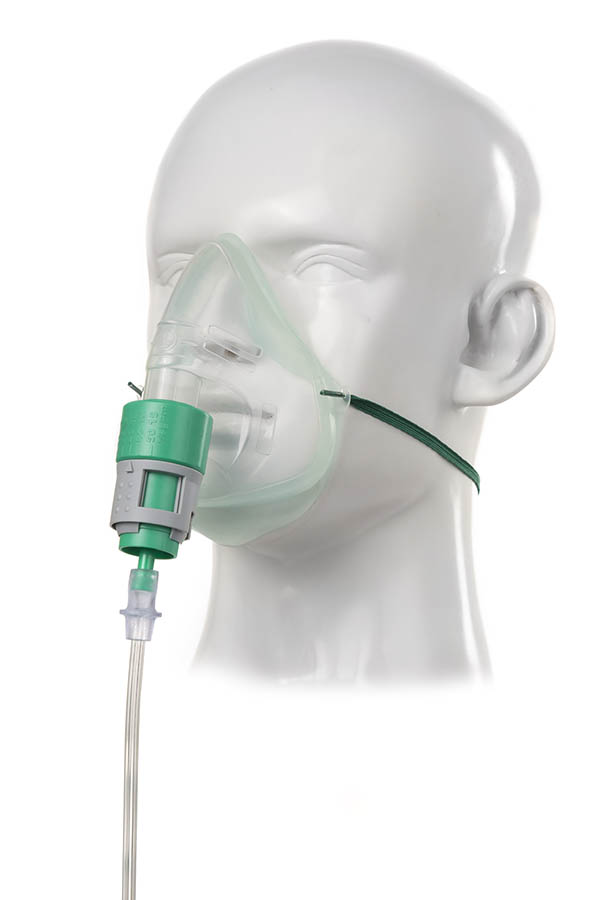
A Venturi mask is a type of respiratory mask that is used to provide ventilation and oxygenation to patients with high precision and control. This mask enables precise control of oxygen concentration by means of a Venturi system, which includes a Venturi and air inlets of different sizes.
The components of a venturi mask include the mask, which is the part that is placed on the patient’s face and is made of rubber or silicone. This mask must be suitable and adjustable on the face to prevent air from penetrating the head and face.
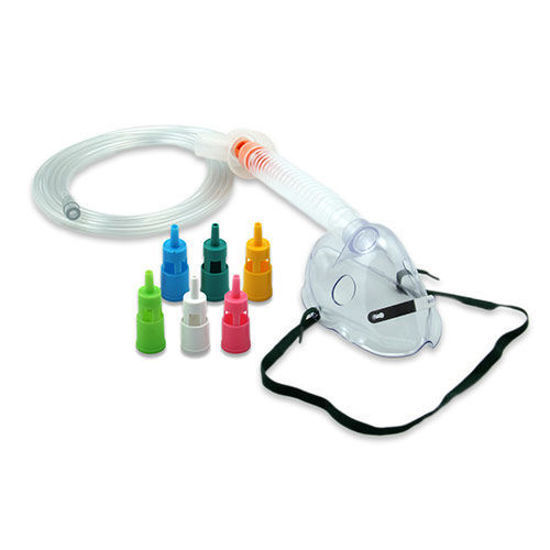
And the venturi, which is a dividing piece that is placed in the front part of the mask. This piece has several holes of different diameters that control the air inlet in a specific way and at a speed. Each hole is associated with a specific concentration of oxygen that is displayed on the venturi.
By adjusting the size of the venturi holes, the amount of air and oxygen can be adjusted and for patients with special needs, such as COPD (chronic obstructive pulmonary disease) patients, precise control of breathing and oxygenation is possible. In a venturi mask, air enters through the venturi holes and is supplied to the patient along with the flow of oxygen.
To precisely adjust the oxygen concentration, venturis of different sizes (usually of different colors) are used. Each venturi size is equivalent to a specific oxygen concentration. For example, a size 24 venturi is equivalent to 28% oxygen, while a size 48 venturi is equivalent to 36% oxygen. These sizes are determined by the doctor according to the patient’s needs.
A connecting tube is also used to connect the mask to the oxygen source. The tube is usually connected to the mask using a jack and socket. And the oxygen supply tube, this tube is connected to the mask from the oxygen source, such as an oxygen tank or central ventilation system. This tube transfers oxygen to the venturi.
Airflow adjustment switch, some venturi masks are equipped with a switch that adjusts the incoming air flow. This switch changes the speed and pressure of the air, and as a result, changes the concentration of oxygen that the patient receives.
The exact composition of the components of a venturi mask may vary between different models and manufacturers. Some masks may have additional components such as antibacterial filters or coupling with flow measurement devices.
When using a venturi mask, the patient places the mask on his face and holds it in place using the fastening straps. From the back of the mask, there is a tube connecting to the external venturi, which air and oxygen enter.
The venturi mask requires precision and expertise and must be adjusted by a specialized physician or specialized medical staff. They must determine the oxygen concentration required by the patient based on the clinical situation and physiological conditions and select the most appropriate venturi.
How to use a venturi mask
The venturi mask works on the principle of increasing the air flow and adjusting the oxygen concentration. Below is an explanation of the steps of the venturi mask:
- Mask attachment: First, place the venturi mask on the patient’s face. Make sure the mask is properly positioned on the face and that each corner is well-fitted so that air entering from around the mask does not leak.
- Venturi adjustment: The venturi is a part located on the front of the mask and is used to precisely adjust the oxygen concentration. On the venturi, a number of holes of different diameters are displayed. Each hole displays a specific percentage of oxygen. By changing the venturi hole, the air flow rate and oxygen concentration are adjusted. Some venturi masks are equipped with a switch that the user can adjust the oxygen concentration by changing the position of the switch.
- Oxygen source connection: Connect the mask’s connection tube to the oxygen source, such as an oxygen tank or central ventilation system. This tube transfers oxygen to the venturi.
- Air flow adjustment: There is an air flow adjustment switch on the oxygen source that you can control to adjust the air flow. This switch changes the speed and pressure of the air, and as a result, the oxygen concentration that the patient receives.
All steps of setting up and using a Venturi mask should be performed by experienced and specialized nurses and doctors. Nurses and doctors should set the appropriate amount of oxygen based on the patient’s condition and needs and follow up closely to ensure that the patient receives the correct and appropriate amount of oxygen.
This includes choosing the right Venturi and adjusting the air flow. During the use of a Venturi mask, it is also very important to control the position and correct placement of the mask on the patient’s face.
Venturi Mask Uses
Venturi masks are mainly used for patients who need to provide oxygen, but at the same time need to control the oxygen concentration precisely. Some of the main uses of Venturi masks are providing oxygen to patients with respiratory problems such as patients with chronic lung diseases, asthma, lung infections and lung injuries and managing breathing in patients after surgery when they need more help with breathing.
This mask is useful for patients with the following conditions:
- Patients with chronic obstructive pulmonary disease (COPD): Diseases such as emphysema, asthma, chronic bronchitis and emphysema, which are associated with the problem of chronic obstruction of the airways, require proper ventilation and precise control of oxygen concentration. These patients need to maintain their pulmonary comfort by receiving the exact amount of oxygen. Venturi masks allow for precise adjustment of the oxygen concentration. Venturi masks, using a venturi with a precise amount of oxygen, allow patients to maintain their normal breathing while receiving the oxygen they need.
- Patients with heart failure: In patients with heart failure, proper oxygenation and oxygen supply to the tissues are very important, and patients need a precise amount of oxygen to reduce the workload of the heart and improve oxygen supply to the tissues. Venturi masks can be useful in these cases. With the ability to precisely adjust the oxygen concentration, this mask allows for improved oxygen supply to the tissues and helps reduce the signs and symptoms of heart failure.
- Patients with acute respiratory disorders: In patients with acute respiratory disorders such as asthma, spasmodic bronchitis and pregnancy and in some emergency conditions such as acute lung diseases, respiratory failure, shock and respiratory system injuries, artificial ventilation and proper oxygenation are essential. Masks, Venturi masks, by precisely regulating the air flow and oxygen concentration, allow patients to improve their natural breathing and receive the required oxygen.
- Patients with renal failure: Patients who have renal failure and need to limit oxygen consumption can use Venturi masks. Summary In general, the Venturi mask is an effective tool in providing oxygen to patients with respiratory problems. This mask allows precise regulation of the oxygen flow and can be adjusted based on the patient’s needs.
The Venturi mask allows doctors and medical professionals to precisely control the oxygen flow. This feature can be useful in optimally adjusting the amount of oxygen for each patient and at each stage of treatment.
The use of a Venturi mask in patients with chronic lung diseases, asthma, lung infections, and lung injury can improve oxygen supply and breathing quality.
The use of a Venturi mask should be determined and adjusted by a doctor or specialist medical staff. You should never use a Venturi mask spontaneously or without a doctor’s order.
Because they must assess the patient’s needs based on the clinical condition and physiological conditions and determine the most appropriate Venturi oxygen concentration. Also, they must continuously monitor patients and carefully control the oxygen flow and breathing rate of patients.
Contact our experts at Medilux to purchase and find out the price of a Venturi mask and other respiratory and anesthesia products.




Reviews
There are no reviews yet.