





What is non-sterile gauze?
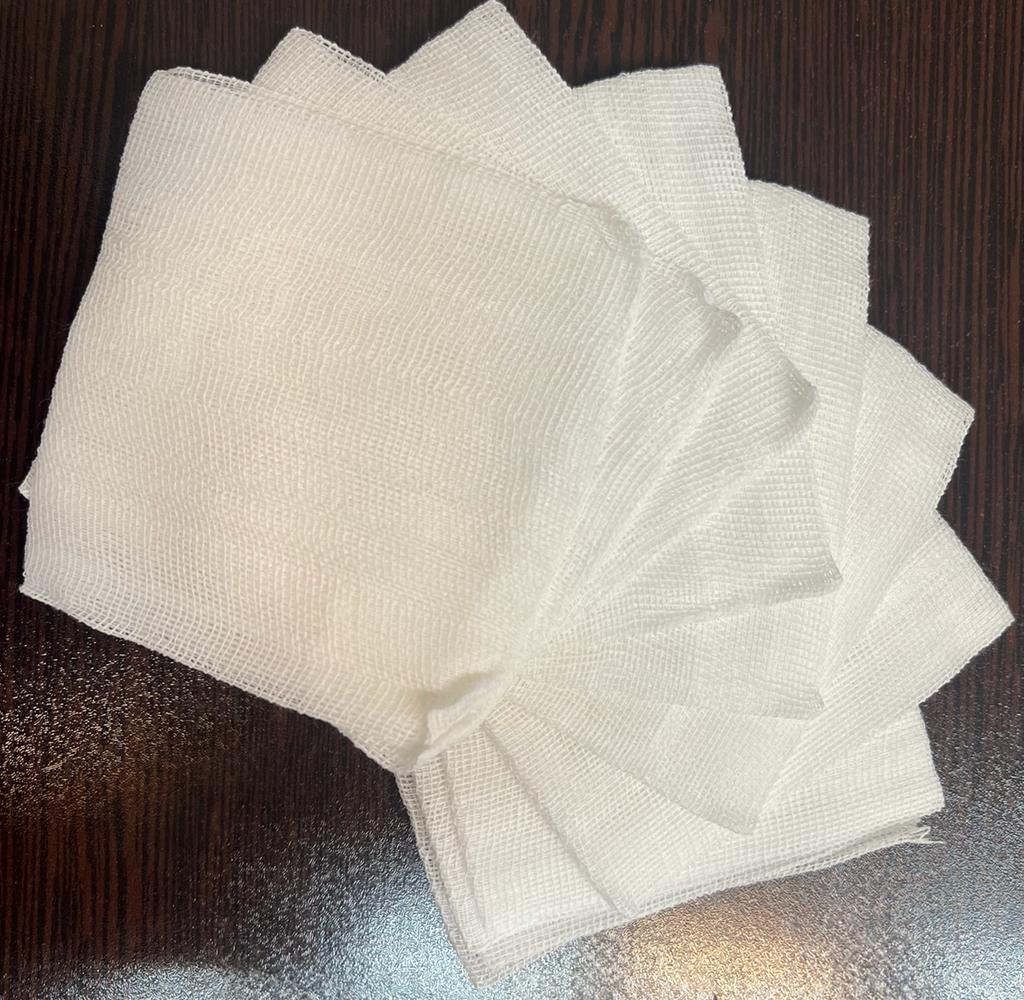
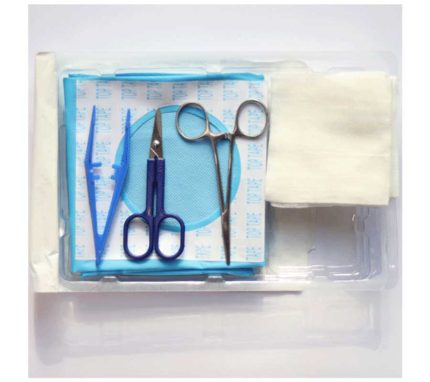
Non-sterile gauze is a white dressing that is usually produced and marketed in 5×5 sizes. This type of dressing is made of non-woven fibers and is the best option for general wound care.
These types of gauzes have unique features that we will discuss below:
The fibers of this dressing are permeable.
It is possible for air to pass through this dressing.
A soft and suitable fabric for wound care
The fibers of these non-woven gauzes are mechanically reinforced and are free of any dyes or additives.
What is the difference between sterile and non-sterile gauzes?
Although the name sterile gauze has been heard a lot, non-sterile gauze has always been controversial. But what is the difference between these two types of gases?
Each type of gas is designed for a specific purpose. Some types of gases are used for use on burns, while others are used to protect sensitive skin.
Sterile gases are ideal for the care of open wounds due to their resistance to various bacteria. In addition, sterile gases are used to absorb wound secretions, thus keeping wounds free of any pus and contamination.
While non-sterile gases are mostly used to protect closed wounds and are desirable as a cover to protect any bruises or other general wounds. On the other hand, sterile gases are more expensive than non-sterile gases.
For this reason, if you are not dealing with non-surgical wounds or sensitive open wounds, using sterile gases will be more economical for you.
Use of non-sterile gases
Although we have previously mentioned the general use of non-sterile gases, we consider it necessary to discuss some of the specialized uses of this gas and its uses:
Non-sterile gases are an ideal option to prevent bleeding and help blood clot at the wound site.
The cotton fibers used in the structure of this type of dressing are suitable for absorbing secretions.
The low density of the fibers that make up this type of gauze reduces the risk of infection.
This type of dressing is very soft and gentle to the touch.
With proper air passage, it prevents the wound from remaining moist.
In addition to the cases mentioned, non-sterile gauze is used to dress wounds, burns, orthopedic diseases, and the like. You will also have the opportunity to use this gauze for secondary dressing of wounds and protect them as much as possible.
Why do they not produce non-sterile gauzes in sterilized types?
Perhaps the question arises as to why non-sterile gauze should be used when there are sterile gases that are free of any living microorganisms?
In general, non-sterile gases are produced in large volumes, which is why their sterilization requires a high cost. In addition, since these types of gases are not used to care for open wounds, they do not need to be sterile.
Of course, it is possible to convert non-sterile gases into sterile gases if necessary, which is done by an autoclave.
Types of non-sterile gases
Non-sterile gases should be placed in two separate categories:
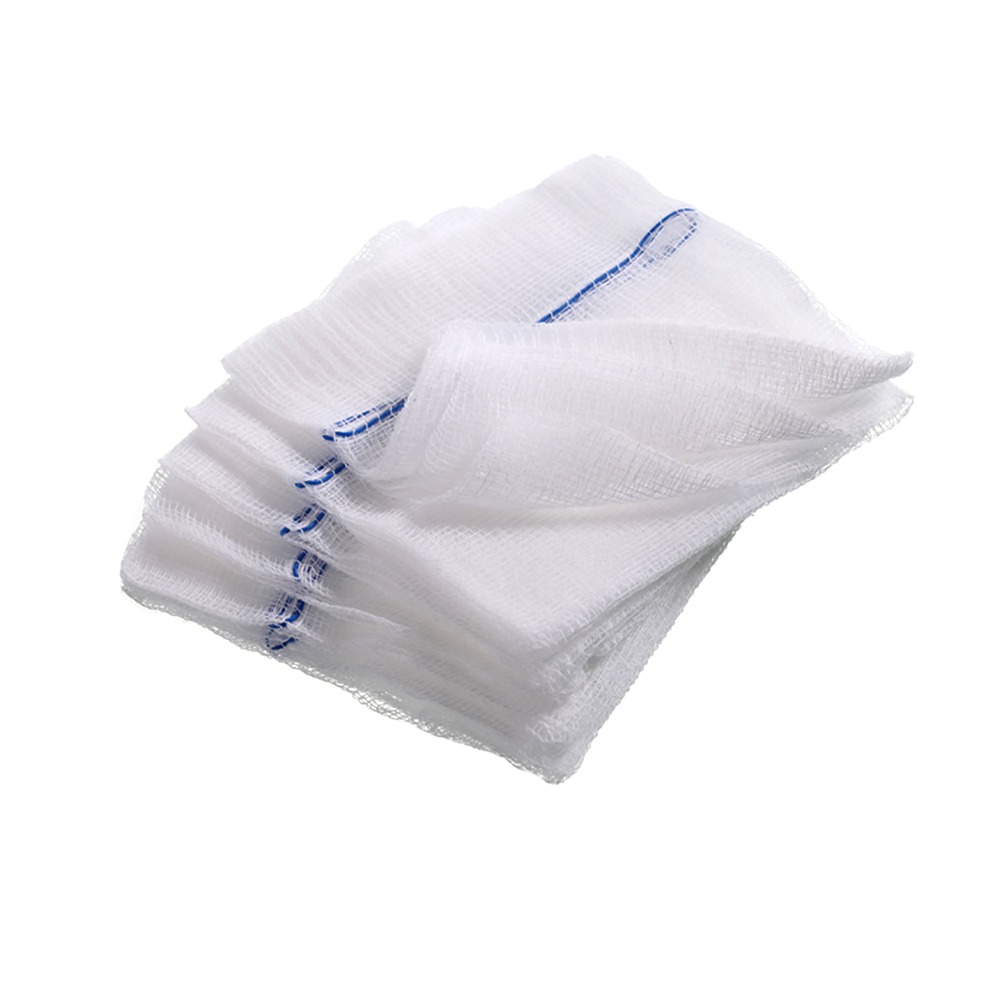
Lined gases
Lineless gases
It is possible to use non-lined gases after sterilization to care for sensitive wounds. Lined gases also refer to the types of gases that can be used in surgeries.
But why are sterile gases divided into lined and unlined types?
Lined gases absorb X-rays and are therefore visible in medical imaging; in fact, this idea was implemented to prevent gases from remaining in the human body during surgery.
Non-sterile gauzes are produced in multiple thicknesses and are used in many medical fields.
Conclusion
Proper wound care is very important in the medical field. Failure to properly care for wounds can lead to infection or scarring on the body. This is why many dressings have been developed to help us.
Non-sterile gauze is one of the most effective and common types of dressings in the medical field that is used to care for closed wounds. Helping to stop bleeding and having soft fibers are among the most important features of these gauzes.
Therefore, if you are looking for a cheap and affordable dressing, non-sterile gauze will be an ideal option.


Reviews
There are no reviews yet.