






Introduction to the Furnace:
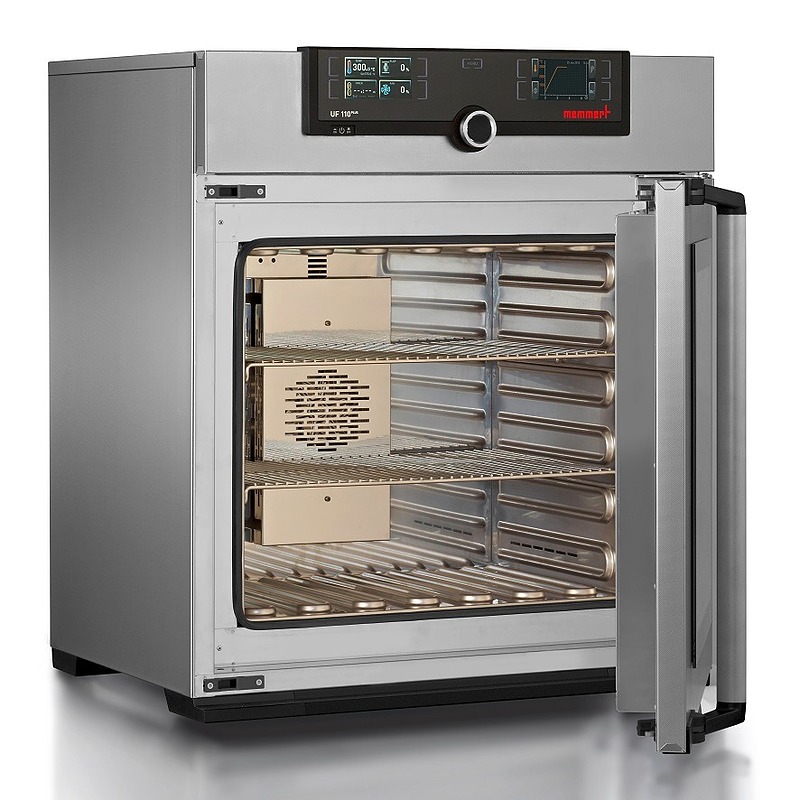
The most common use of this device is in the laboratory, so some call it an oven or laboratory furnace. The equipment placed in this device is damaged by water vapor, but it can withstand high temperatures. The temperature of the furnace is from 30 to 350 degrees Celsius, and the temperature is adjusted by the device’s thermostat based on the type of equipment placed in it. This device cannot completely destroy all microorganisms, and an autoclave device is required to completely sterilize the equipment.
Furnace
Applications of the Furnace:
Glass and metal containers such as pipettes, laboratory tubes, forceps, scissors, and surgical blades are sterilized by this device. Electrocautery pen tips and surgical saws are also sterilized by this device. The laboratory furnace is used to sterilize equipment or place laboratory samples in it. The elements of the device are placed in such a way that they indirectly transmit heating rays to the samples in such conditions. This device is used in the following three applications:
– Drying the test samples in the best possible way.
– Heating the culture medium without the samples drying out and losing their moisture.
– Simultaneous heating and drying of samples, in which the sample undergoes chemical changes and has therapeutic applications.
Components of the oven:
– The inner chamber of the device: This chamber is made of steel or stainless steel that is resistant to high temperatures and a temperature sensor and thermocouple are placed inside it.
– Heating elements: Depending on the application and electrical power of the device, there are one or two heating elements in the oven that provide the heat required by the oven. These elements are located on the side of the outer wall of the device and in contact with it and are metal on which a refractory ceramic coating is placed, which prevents the transmission of electric current to the device chamber.
– Thermal insulation: Glass wool thermal insulation is placed between the two walls of the device’s chamber, which prevents energy waste and prevents the rapid cooling inside the chamber and overheating of the device and its electrical circuits.
– Device fan: This part is responsible for circulating the air inside the device’s chamber and causes all parts of the device to heat up evenly.
– Timer: The device’s timer determines the time for heating the equipment.
– Device protection system: One of the important points in the Fur device is the presence of a thermal and electrical protection system that is like a fuse and cuts off the current in emergency situations to protect the device and the user.
– Temperature control and display system inside the Fur chamber: The temperature system inside the device can be separate or integrated. This system can be in the form of a thermocouple or microprocessor with precise and sensitive sensors. In addition, the temperature can be displayed in the form of a thermometer or an electrical board with a thermal sensor and a display.
Types of ovens:
The oven has different types based on its capacity and volume, which are usually 55 liters, 40 liters and 27 liters. However, it also has different types based on its structure and application:
– Simple oven: This type of oven is very easy to use. Its characteristics include the absence of a thermometer and steam outlet valve and the absence of a temperature indicator inside the device. This type of oven cannot be calibrated and its temperature accuracy is about 10 degrees Celsius. Simple ovens are used to sterilize metal equipment in surgical rooms and dental offices.
– Digital oven: The oven or digital oven has a thermometer and steam outlet valve and can be calibrated at some temperatures. The temperature accuracy of this device is 5 degrees higher than that of a simple oven. Usually, the temperature in this device rises to 250 degrees.
– Smart oven: The smart oven has a timer, steam outlet valve, thermostat and thermometer. Its alarm and calibration system also operates automatically. The temperature accuracy of this device is higher than the previous two models, about 2 degrees Celsius, and the temperature of the device rises to 200 degrees Celsius. The smart oven is desktop and is often used in medical laboratories.
– Smart oven with fan: This device has a thermometer, thermostat, timer, fan, and steam exhaust valve, and like the previous model, its calibration and alarm system is also automatic. Its temperature accuracy is 1 degree and raises the temperature to 200 degrees Celsius.
– High-temperature oven: This type of oven is suitable for specialized physics laboratories and increases the temperature to 600 or 700 degrees Celsius.
– Vacuum oven: A vacuum oven is used to sterilize equipment that is sensitive to oxygen and needs to be sterilized in a vacuum. This device is used in metal testing and melting, and the air inside it is evacuated by a vacuum pump. In this device, the temperature rises to 1100 degrees.
How to use the Fur device:
The temperature of the device is set between 30 and 350 degrees Celsius, but usually the temperature is set at 180 degrees or more and the equipment remains in the device for 45 to 60 minutes to be disinfected. If the equipment is placed at a temperature of 160 degrees, it is necessary to remain in the device for 2 hours. Also, at 171 degrees for 1 hour, at 180 degrees for half an hour and at 191 degrees for 6 to 10 minutes, the equipment is sterilized. To use the device, it is necessary to wash and dry the equipment and dry the inside of the device. Then the device is turned on to heat up and at the end of the work, it is also necessary to first dry the device completely and then remove the equipment from it. The removed equipment must be kept in a suitable and clean place.
The outlet used to connect the device to the electricity must be connected to the ground. Also, the door of the device must be closed well and the inside must be dried beforehand with a clean cotton cloth. After the sterilization process is complete, the door of the device should not be opened before cooling down because glass equipment may break due to this sudden temperature change. Flammable items and liquids should not be placed in the device. Equipment placed in the device should be wrapped, which can be done with aluminum foil. Also, to place test tubes in the oven, their caps can be covered with foil and the tubes placed vertically in the device.
After placing the equipment in the device, the device is connected to the power supply and turned on. The oven programming key is pressed and the timer is set to Bypass mode. Then, the desired temperature is set and the device must be waited for to heat up. The important point is that the sterilization time is from the time the device reaches the desired temperature. In this case, all parts of the device are heated and at the specified temperature. It should be noted that due to the insulation of the device, it may take several hours for the device and the items inside it to cool down. However, if there is a suitable fan in the device, it will take less time to cool down.
Important tips for using the Fur device:
– The equipment placed in the device should not be flammable. This type of equipment should be sterilized in an autoclave to prevent damage. However, if an autoclave is not available, the Fur temperature should not exceed 120 degrees Celsius.
– Acidic solutions should not be placed in the device, and spilling liquids on the bottom of the device should be avoided.
– When removing equipment, protective equipment such as tongs, insulated gloves, and eye protection should be used.
– The device’s fireproof gasket should be checked every day.
– At the end of the device’s work, the door should not be opened until the temperature drops below 50 degrees Celsius.
– The Fur device should be thoroughly cleaned every month and calibrated and its performance checked by the technical officer every 6 months.
– It is better to use a timer to use the device. This prevents the device from being turned on unnecessarily and the elements from burning out.
Advantages and disadvantages:
Since water is not used in the autoclave, it is safer than the autoclave and does not destroy many equipment. Therefore, it is more common in laboratory environments. In addition, it is small and takes up little space. It has a good speed in sterilizing equipment and is easy to install and operate. It also has lower maintenance costs than the autoclave and causes less damage to the environment because it does not require toxic substances to sterilize equipment. On the other hand, there are disadvantages to this device. For example, it does not completely destroy some microorganisms, including heat-resistant spores and prions.


Reviews
There are no reviews yet.