



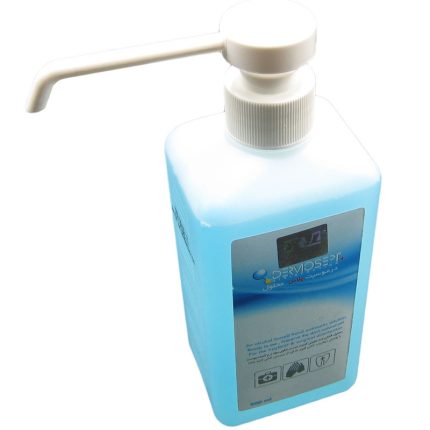
Surface Disinfectant Solution
These substances kill viruses and fungi by affecting bacteria and prevent their growth. Now, regarding the definition of disinfectants mentioned in the previous discussion, it can be said that disinfectant solutions in hospitals and medical centers for surfaces are those substances that affect surfaces.
The difference in disinfectants is that they can prevent the growth, spread and transmission of bacteria and infections on surfaces through their better use. Of course, it can also be said that these substances can be divided into two categories, as follows:
Antimicrobials: substances to destroy microbes
Bacterial inhibitors: substances to inhibit microbial activity
Of course, it can be said that during the outbreak of infectious diseases such as influenza, especially the latest ones, which are the coronavirus, using soap and water alone does not cope with the dangerous and mysterious coronavirus. Likewise, more disinfectant solutions should be used for use at home and in hospitals.
As a result, this issue makes most of these solutions needed to recover faster and protect the environment of patients and even healthy people from infections and viruses. In this way, 20 liter disinfectant liquids are a good suggestion for use in cases of infectious diseases, at home and even in hospitals. This amount of disinfectant liquid is an excellent answer to the needs of medical centers, health centers, offices and even for use at home in times of crisis and outbreaks of infectious diseases.
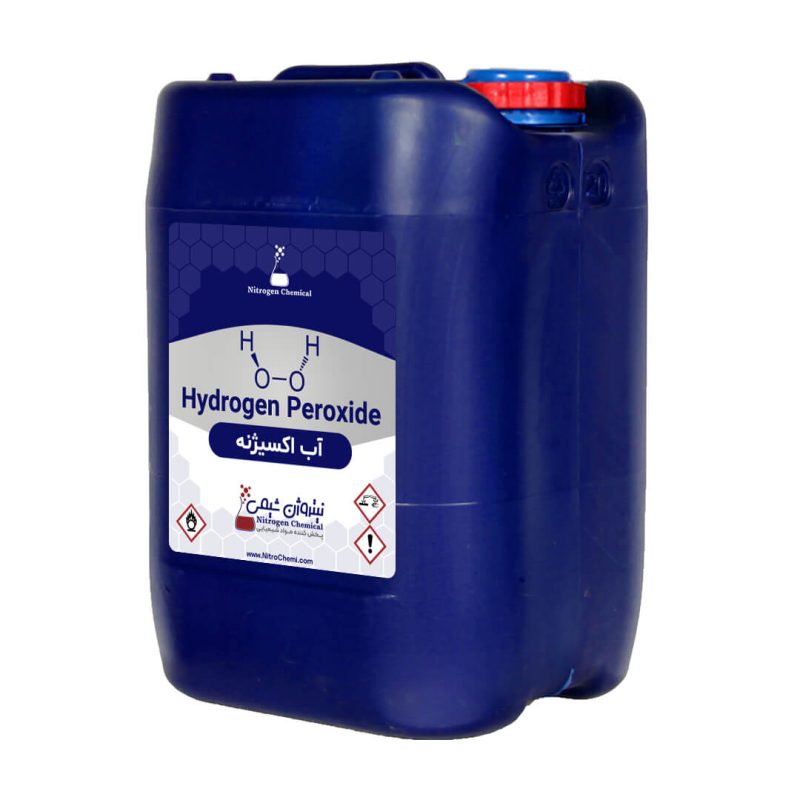
Hydrogen peroxide
Hydrogen peroxide solution is a chemical compound that has strong oxidizing and disinfecting properties. The following are its specifications and uses:
A 3.0% hydrogen peroxide solution was ineffective against VRE after 3 and 10 min exposure to 661, causing only a 2 log 10 reduction in Acanthamoeba cyst count at approximately 2 h. A 7% hydrogen peroxide spray was proven to be bactericidal (6 h exposure), mycobacterial (20 min), fungicidal (5 min) at full strength, virucidal (5 min), and antibacterial (3 min) at a dilution of 1:16 when used in a quantitative carrier test.
A 7% hydrogen peroxide solution, tested after 14 days of stress (in the form of germ-laden carriers and respiratory therapy equipment), was sporecidal (>7 log 10 reduction in 6 hours), mycobacterial ((6.5 log 10 reduction in . fungicidal (>5 log 10 reduction in 20 minutes), bactericidal (>6 log 10 reduction in 5 minutes) and virucidal (5 log 10 reduction in 5 minutes). When spores were exposed to a combination of hydrogen peroxide (5.9 – -23.6 5.) and peracetic acid, synergistic combined effects were observed. Other studies have shown antiviral activity of hydrogen peroxide against rhinovirus. The time required to inactivate three rhinovirus serotypes using a 3% hydrogen peroxide solution was 6-8 minutes. This time increased with decreasing concentration (18-20 minutes at 1.5 at, 50-60 minutes at 0.75 at).
Hydrogen Peroxide Applications
1- Health and Medical Industry:
- Disinfectant: Hydrogen peroxide is used in various concentrations to disinfect surfaces, wounds, and medical instruments. It is used in many hospitals for disinfection.
- Teeth Whitening: Used as a natural whitening agent in dental products and many toothpastes.
2- Food Industry:
- Fruit and Vegetable Cleaner: Used as a disinfectant solution for washing fruits and vegetables.
- Decoration and Preservation: Used in some industrial food production processes to maintain freshness and prevent the growth of microbes.
3- Chemical Industry:
- Chemical Production: As an oxidizing agent in the production of some chemicals, such as oxalic acid and other organic compounds.
- Waste Treatment: Used in some water and wastewater treatment processes as an advanced oxidation method to remove contaminants.
Cosmetics Industry:
- Products Beauty: Used in the production of various masks and skin care products for their disinfecting and skin lightening properties.
4- Facial masks:
- Some cosmetic products use hydrogen peroxide as a main ingredient to deeply cleanse the skin and help treat acne.
5- Agriculture:
Disinfectant solutions for soil: May be used to kill bacteria and fungi in agricultural fields.
Conclusion
Being familiar with several types of disinfectant solutions in the hospital will help you make a better choice. This will lead to better use of them based on their applications and there will be more options for disinfectant solutions for different site conditions. Also, it is worth noting that you should pay attention to the labels on their packaging and then check them from two aspects before using disinfectant solutions in the hospital:
When using disinfectant solutions, you should apply and pay attention to the following points.
You should use the materials used in it according to the standards Check the world and then start using the solution.


Reviews
There are no reviews yet.