


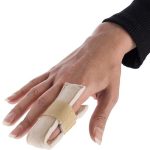


Splint
Splint is a medical device that is used to support and protect joints and bones at different times, including after surgery or injury. Splints are made of a variety of materials, including plastic, metal, fabric, or a combination of these materials.
These products are usually designed in such a way that they can be easily adjusted to the desired shape and size of the joint or part.
When certain damage is done to body organs and bones, sometimes it is necessary to prevent that organ from moving in order to rebuild and improve the organ. In these cases, a medical device called a splint is used.
During various accidents, a splint is usually used to keep the injured limb immobile until the hospital or medical help arrives.
Different types of splints and their uses
These products have two general models. They may be made of plastic or metal and are generally pre-designed for a specific organ. It is also possible that they are made of plaster or fiberglass, and in this case, they are placed by a specialist on the specific organ of the patient.
There are many types of splints. There are long upper limb splints that usually cover from the armpit to the palm and are designed to keep the elbow at a right angle.
There is another type of this product for the upper limb, which is called a short upper limb splint. This model of splint covers from the elbow to the fingertips and can also cover the palm.
Smaller splints can also be used for the hands, among which we can refer to the Ulnar Gator Splint, which is designed to be placed on the forearm around the ulnar bone.
Next, check some other models of these products:
Rigid splints: These types of products are made of rigid and inflexible materials such as plastic or metal and are usually used for cases that require firm and strong support, such as fractures or surgeries.
Soft splints: Made of materials such as fabric or foam, these products are suitable for cases that require less support or more flexibility, such as strains or sprains.
Limited time splints: Used for a limited period of time after surgery or injury and may not need to be used after recovery.
Adjustable Splints: Designed to be adjusted according to individual needs or progress in recovery.
Finally, the choice of their type depends on the type and extent of the injury, the location of the injury, and the doctor’s recommendations. Hence, it is always better to consult an expert before making a choice.


Reviews
There are no reviews yet.