




Serum set specifications
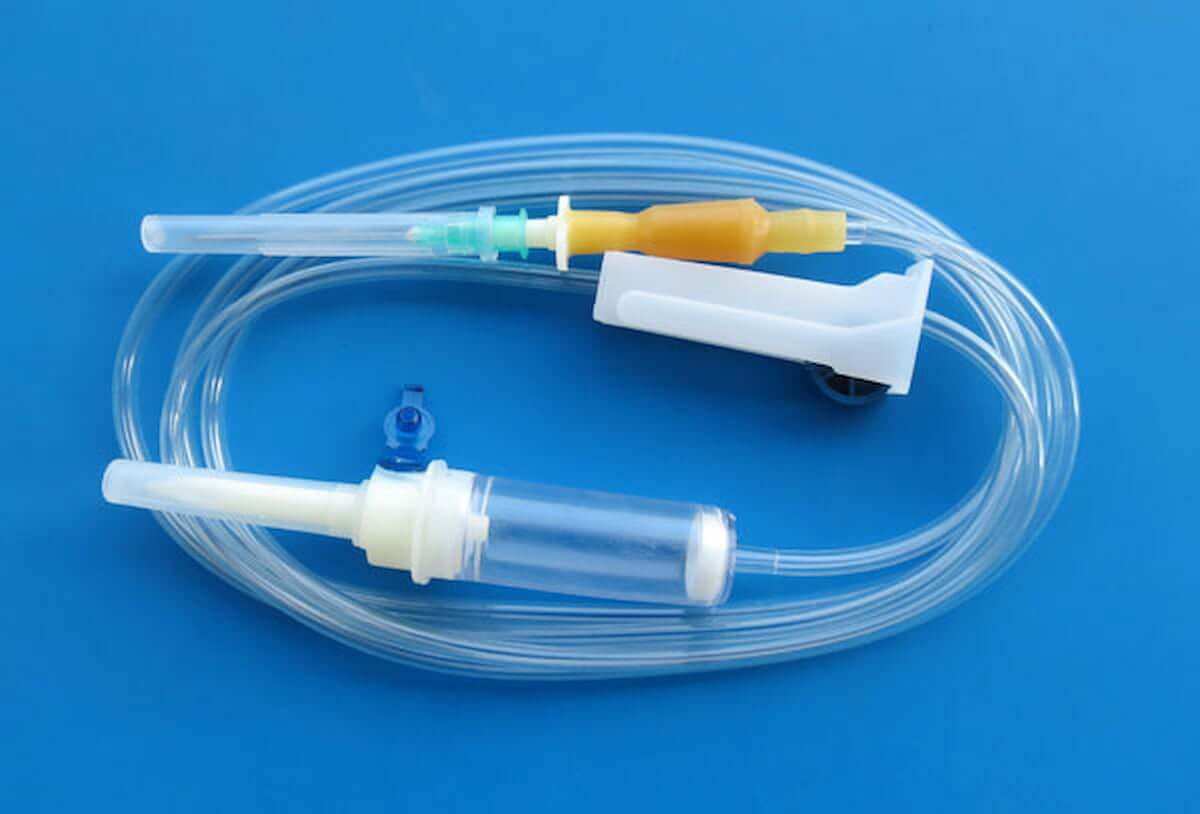
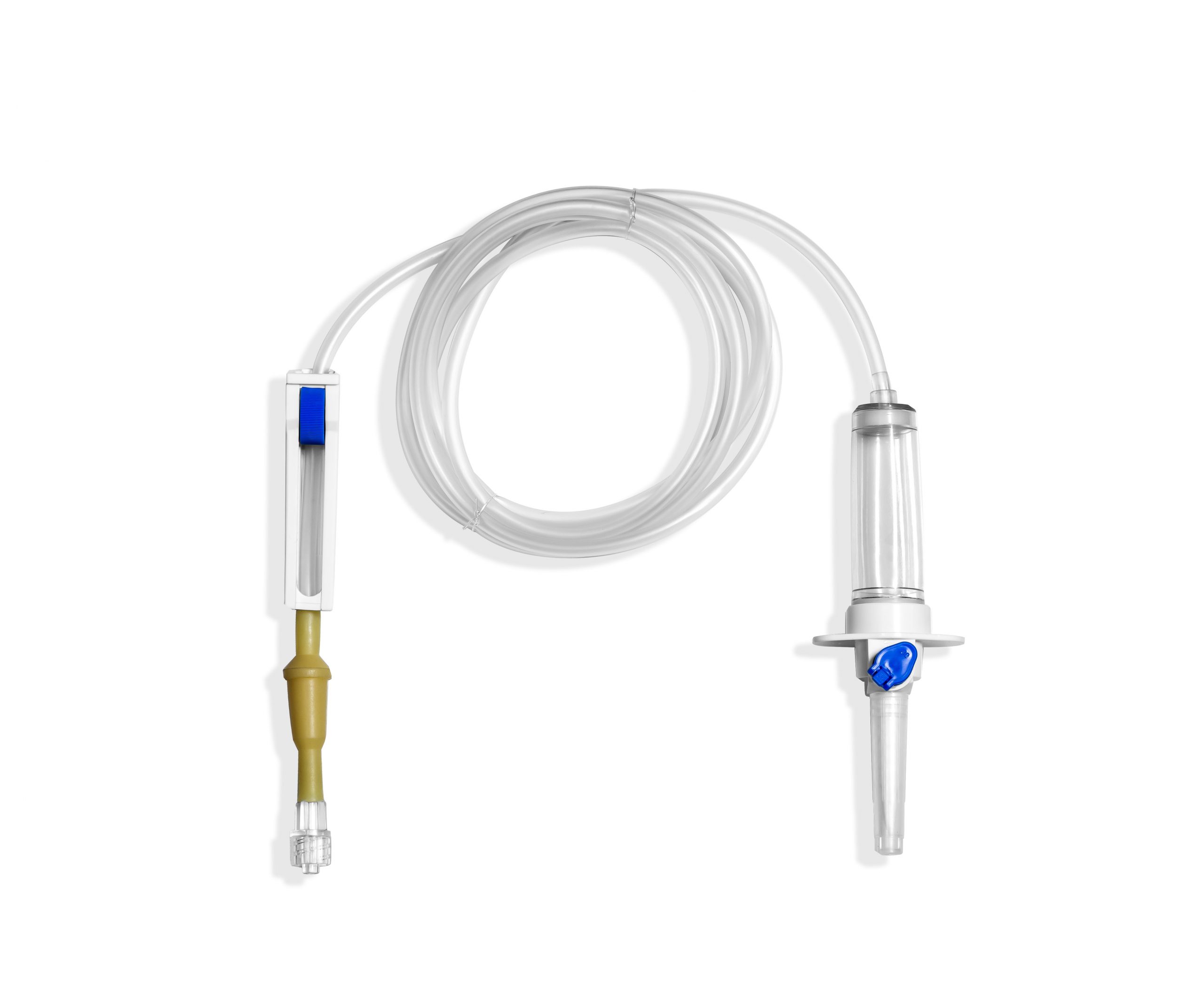
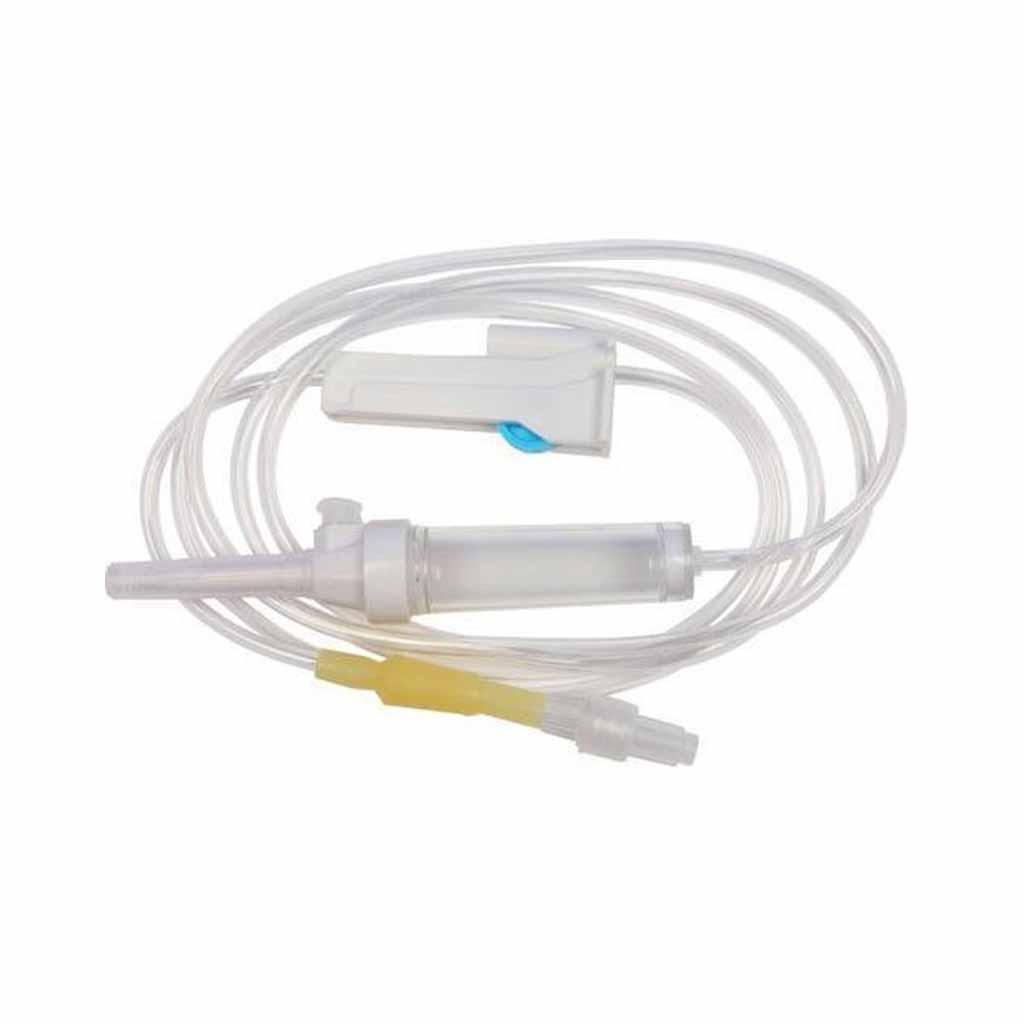
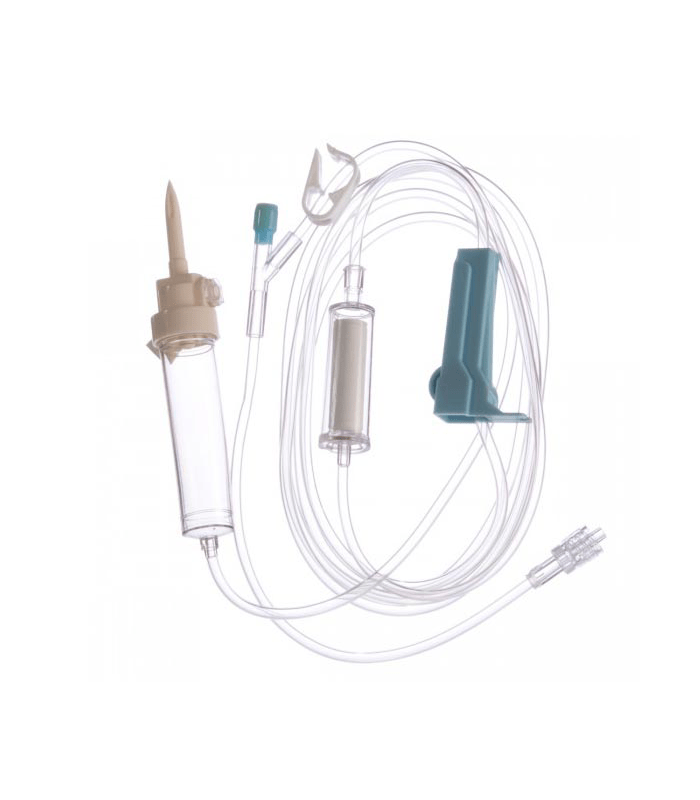
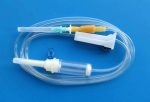
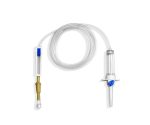
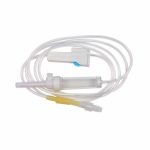
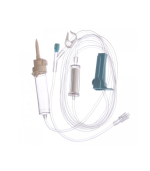
The IV set used for injecting IV fluids and medications consists of various components. Below are some of the most important specifications and components of a standard IV set:
Draper: A plastic container used to regulate the rate at which IV fluids enter the body.
Tubing: Flexible plastic hoses that transfer IV fluids from the bag to the patient’s body.
Flow Regulator: A device used to precisely regulate the rate at which IV fluids flow into the body.
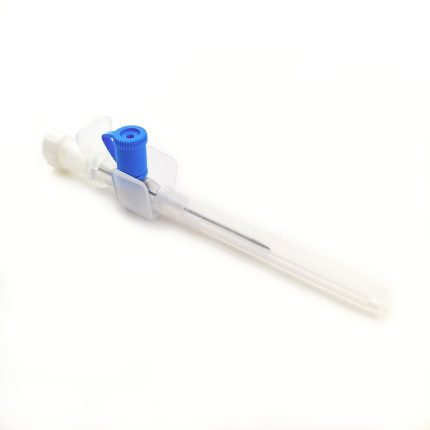
Needle or Cannula: The part that is inserted into the patient’s vein.
Injection Port: To add medication to the IV flow without removing the needle from the vein.
Connectors: To connect the components of the set to each other and to the IV bag.
Hanger: A structure used to hold the IV bag.
Serum sets may also have special features, such as air filters or devices to prevent air from entering the bloodstream or to remove air bubbles.
These specifications can vary by brand, type of use, and medical standards. When choosing a serum set, consideration should be given to the quality of construction, materials used, and expiration date to ensure patient safety.
Intravenous infusion
A medical professional may perform an IV infusion in the following situations:
When a person needs a potentially life-saving medication very quickly
When the patient needs a very precise dose of medication
When a person needs a large dose of medication over a long period of time
When taking a medication by mouth would be impractical or ineffective
Substances that require multiple injections, such as for treating some chronic conditions
When a person cannot eat or drink and needs fluids through an IV line
Equipment needed
The equipment needed for an IV infusion can vary depending on several factors, including:
The type of medication the person needs
Whether the person needs the medication quickly or for a long period of time
How long the person needs the IV
Depending on the above factors, the equipment needed may include:
A tourniquet or tourniquet to help the medical professional identify the appropriate vein
Local anesthetic to numb the injection site
A needle for the initial injection
A catheter tube to keep the vein open Vein
A medication access cap that opens or closes when not in use
A syringe to inject medication into the catheter
IV bags and lines for infusion delivery
Gas gauze, bandages, and medical tape to help protect the injection site
Manual adjustment
The rate of fluid dripping from the bag into the IV can be adjusted through a manual technique. Your nurse will increase or decrease the pressure that a clamp applies to the IV tube to slow or speed up the flow rate. They can count the number of drops per minute to ensure the flow rate is correct and adjust it if needed.
Conclusion
The IV set is one of the vital tools in medicine and therapy that helps improve the condition of patients in various conditions. A proper understanding of the uses and function of this tool can help doctors and nurses provide optimal care to patients.


Reviews
There are no reviews yet.